Protesters set up camp in New York City more than a month ago and have spread to other cities around the country, prompting many Americans to ask: What exactly do they want? The decentralized nature of the protests makes official demands difficult to come by, but the movement has released a number of positions that are fairly representative of the left-wing, anti-capitalist tenor of the protests. We decided to examine one such list of demands, and to give readers a sense of the conservative approach on the varied goals of …
Apparently unemployment is not much of a problem in the private sector. At least Senator Harry Reid (D–NV) thinks so. Debating the Senate’s proposed $35 billion bailout for state and local governments, Reid argued, “It’s very clear that private sector jobs have been doing just fine. It’s the public sector jobs where we’ve lost huge numbers, and that’s what this legislation is all about.” Senator Reid is not just mistaken; he has his facts exactly backwards. If the recession has barely touched one sector of the economy, it is …
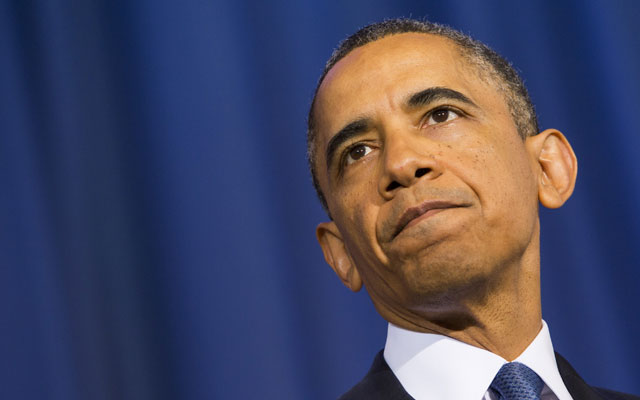
A new USA Today/Gallup poll shows that when it comes to assigning blame for the country’s economic woes, more Americans point the finger at Washington, not Wall Street. Yet for weeks, the so-called Occupy Wall Street protesters have camped out in the heart of America’s financial district–and have raised their voices in cities across the country and around the world–decrying the capitalist system as the root of all evil. On Sunday, these anti-capitalist protesters got a helping hand from none other than the President of the United States. Barack Obama was …
Back in February 2010, when Congress was still debating the Obamacare legislation, then-Speaker of the House Nancy Pelosi (D-CA) proclaimed to America that the law “will create 400,000 jobs almost immediately.” But according to a new report by Heritage’s James Sherk, Obamacare will have the opposite effect, pricing many unskilled workers out of full-time employment due to the law’s requirement that employers offer health benefits to full-time employees. According to Sherk, the minimum cost of employing full-time workers under Obamacare amounts to an average of $27,500, more than what many …
If something is too big to swallow, you cut it into bite-sized pieces. But that won’t improve the taste—unless you jettison any stinky stuff. Likewise, the notion of splitting-up President Obama’s Senate-rejected 326-page “jobs bill” won’t improve any of the proposals. It’s good that the break-up would prevent the classic congressional strategy of blending the good and the bad together into one piece of legislation. That strategy expects that Congressmen will hold their noses and vote for a package when they’re not given a choice to remove the worst parts. …
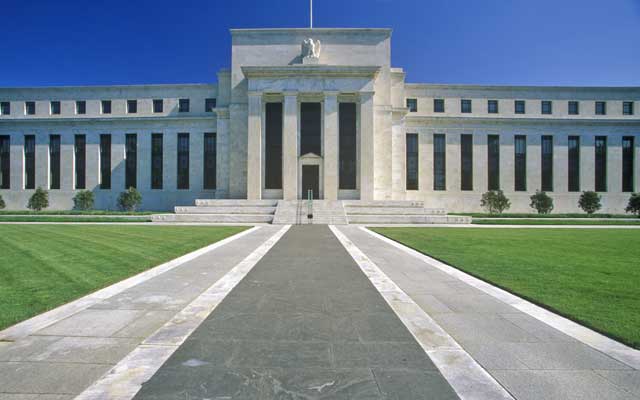
Just last week, America learned that September was yet another bad month for the Obama economy, with the unemployment rate remaining flat at 9.1 percent. A new report out today predicts more bad news down the road: Wall Street could see 10,000 securities jobs lost by the end of 2012. That’s on top of the 22,000 jobs the industry has lost since January 2008. The Wall Street Journal reports: New York City’s securities industry could lose nearly 10,000 jobs by the end of 2012, New York state’s comptroller predicted, a painful …
What’s the latest plan from the left to pay for President Obama’s latest batch of stimulus spending? More taxes on high-income earners, of course. And if Senate Majority Leader Harry Reid (D-NV) gets his way, the United States’ average marginal top tax rate would be higher than all but two of the 30 most economically developed countries in the world. Reid has proposed a 5.6 percent surtax on incomes of married filers earning over $1 million starting on January 1, 2013–and that would push the average top U.S. income rate to 55 …
In the currently battered U.S. economy, with high unemployment and bleak growth prospects, politics has become a contest of dueling jobs plans: politicians of every stripe have them. Their motivation may be sincere, but their concept is wrong – and they are just perpetuating the myth that government can create jobs. It can’t. It can only maintain conditions that are conducive to economic growth. That is the real engine of job creation, and it’s where policymakers should place their focus. Job creation is a function of producers meeting the demands …