U.S. Should Not Give Russia More Insight into Its National Security Activities
House Intelligence Committee chairman Mike Rogers (R–MI) sent a letter to President Obama urging him to reject a request by Russian President Vladimir Putin to… Read More
House Intelligence Committee chairman Mike Rogers (R–MI) sent a letter to President Obama urging him to reject a request by Russian President Vladimir Putin to… Read More
SecurityNews

The Administration has been pressuring the Senate to approve the United Nations’ Convention on the Rights of Persons with Disabilities (CRPD) by claiming that the… Read More
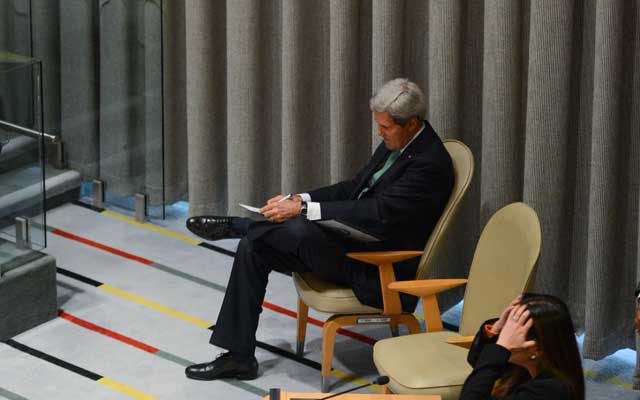
Today, Secretary of State John Kerry signed the U.N. Arms Trade Treaty (ATT) on behalf of the United States. The reaction from Congress has been… Read More
News
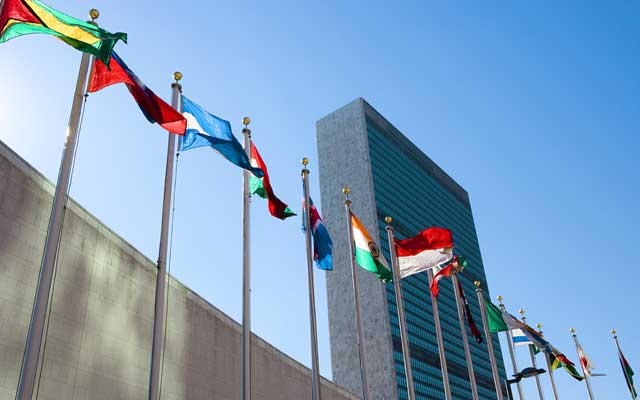
U.N. organizations continue to promote abortion and all kinds of new definitions of “rights.” Here’s an update of what they have been pushing over the… Read More
LawNews

Monday, October 7, marks the beginning of the Supreme Court’s next term. The last term included a number of high-profile cases involving voting rights, same-sex… Read More
News

Secretary of State John Kerry has a new, impassioned video appeal for the U.S. Senate to consent to ratification of the U.N. Convention on the… Read More
News
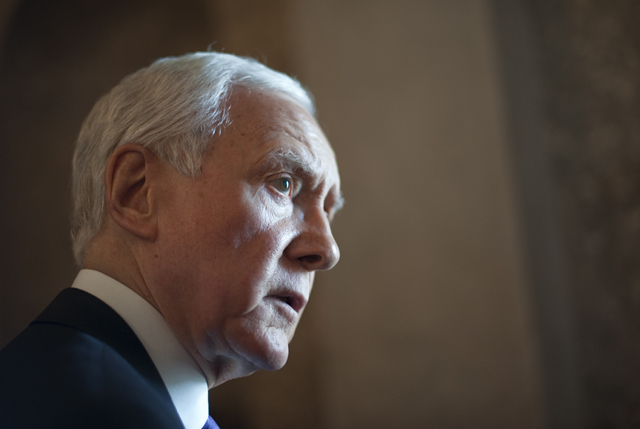
Senator Orrin Hatch (R–UT) delivered a broadside on the Senate floor last week to proponents of U.S. ratification of the Convention on the Rights of… Read More
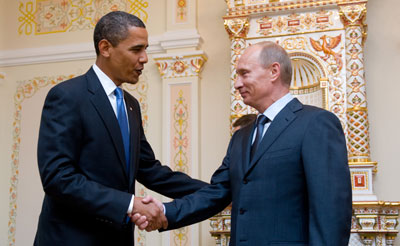
In a recent article, Mark Schneider of the National Institute for Public Policy points out that Russia’s compliance issues with arms control treaties have worsened… Read More
News

It sounds nice to say there could be a treaty that would make all nations responsible when it comes to their arms exports. Of course,… Read More
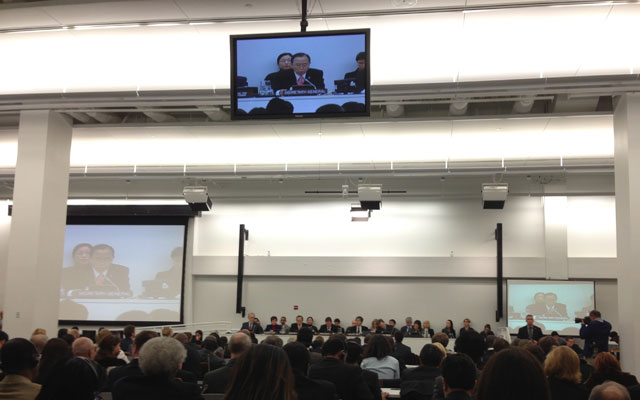
In New York, the Arms Trade Treaty (ATT) conference is entering its final phase, and the ways in which the negotiations might fail are becoming… Read More