

One of America’s Biggest Exports: Treasury Securities
The Bureau of Economic Analysis (BEA) recently released statistics on U.S. exports for January, but failed to mention of one of the biggest U.S. “exports”—federal… Read More
The Bureau of Economic Analysis (BEA) recently released statistics on U.S. exports for January, but failed to mention of one of the biggest U.S. “exports”—federal… Read More
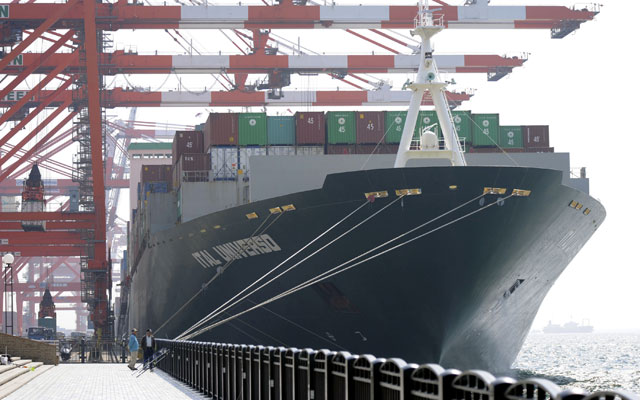
The latest trade deficit figures are out, and, as always, most reports fail to accurately explain what these numbers mean. Consider the following widely reported… Read More
The numbers for America’s trade in 2012 came out on Friday and, as usual, China is prominent. America’s goods trade deficit with China broke the… Read More
On February 8, the government will release data on imports and exports for 2012. This annual release often ignites a misguided debate about trade deficits…. Read More
EconomyNews
China’s 2012 official economic numbers are due out at the end of this week and I, among others, will gently suggest that they aren’t particularly… Read More

The latest trade deficit figures are out, and like always, most reporters fail to accurately explain what these numbers mean. During the past 10 years,… Read More
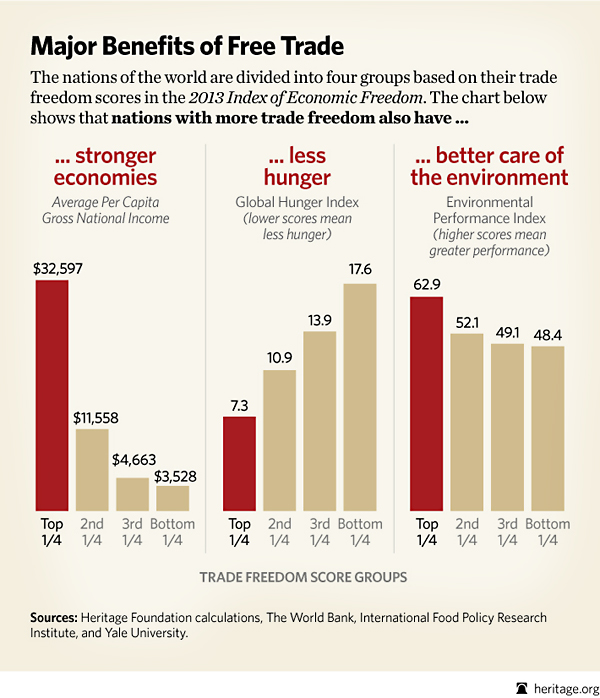
Nations that embrace international trade enjoy significantly stronger economies, achieve lower rates of hunger, and maintain a better stewardship of the environment, according to new… Read More
Who fact-checks the fact checkers? After the debate Monday night, CNN engaged in a fact-checking exercise. Many criticize these exercises for being more slanted and… Read More

The presidential debate yesterday moved to trade with China, with the usual rhetorical suspects—including “outsourcing” and the “trade deficit”—taking center stage. President Obama announced that… Read More
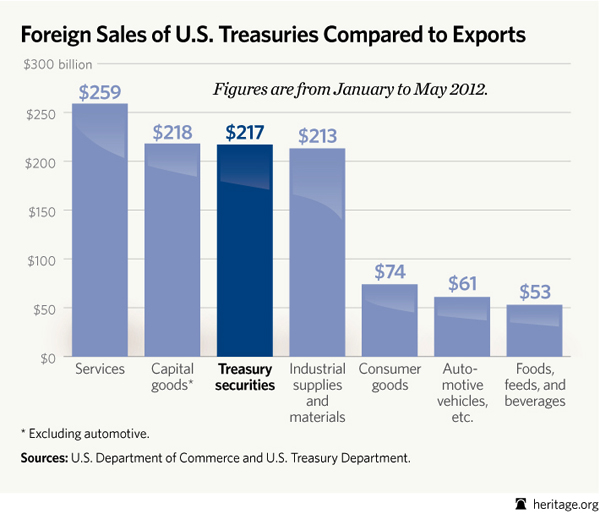
The federal government recently announced that it is expected to run a budget deficit of more than $1 trillion for the fourth straight year. One… Read More


