EconomyNews
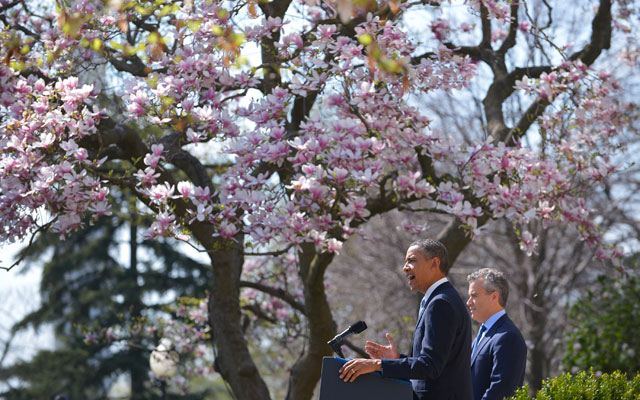
The Obama Budget: Heritage Experts’ Analysis
Minimum Wage President Obama’s budget proposes raising the minimum wage to $9 an hour. This would hurt the very workers the President wants to help…. Read More
EconomyNews
Minimum Wage President Obama’s budget proposes raising the minimum wage to $9 an hour. This would hurt the very workers the President wants to help…. Read More
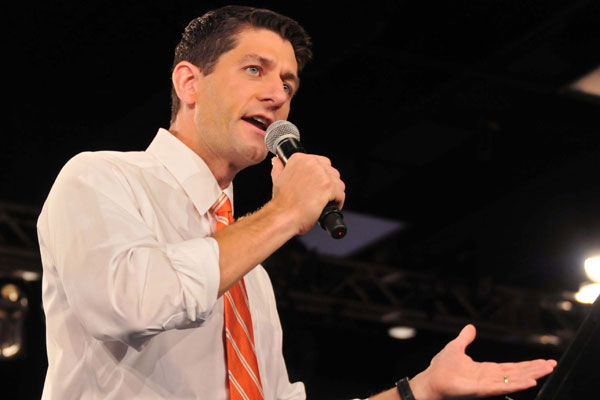
At first look, the budget unveiled today by House Budget Committee Chairman Paul D. Ryan (R-WI) advances much-needed reforms and importantly accomplishes the crucial goal… Read More
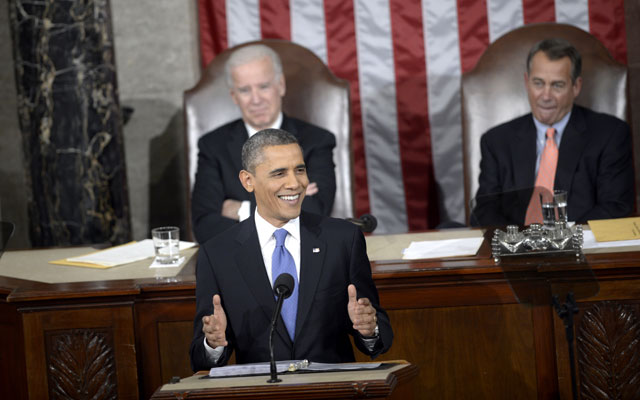
It’s time for Congress to make a real budget—and not just any budget. It’s been four years since the U.S. had a real budget. While… Read More
Sequestration has taken effect, and yet government spending continues growing. Sequestration’s 2.4 percent reductions are not enough to fix Washington’s spending and debt problem because… Read More

The growing national debt demands immediate attention and real solutions from America’s elected leadership. That was the message delivered yesterday by a group of young… Read More
EconomyNews

You’re busy. So busy you barely have time to read these words. So why should you care about the us debt? Does it affect your… Read More
Yesterday, world-renowned neurosurgeon Dr. Ben Carson presented the keynote address at the 61st Annual National Prayer Breakfast. With President Barack Obama, Vice President Joe Biden,… Read More
Fiscal cliffs, debt, and unbalanced budgets have made raising a family in America more difficult, but pursing opportunity-oriented policies centered on creating prosperity can turn… Read More
President Obama referred repeatedly to the debt ceiling debate in today’s press conference in a textbook example of Washington “spin,” or the art of selectively… Read More
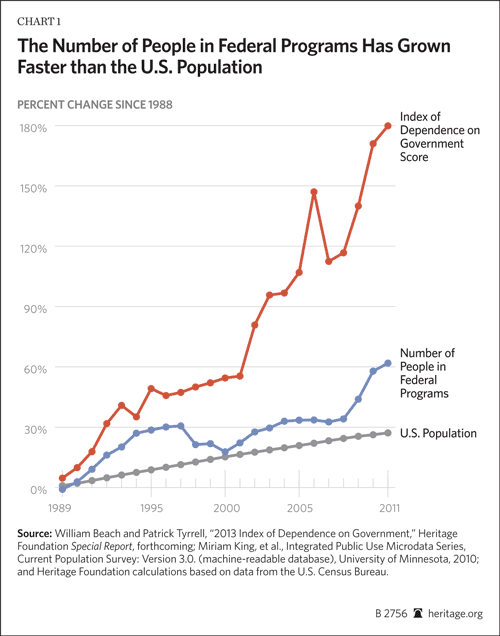
More than 41 percent of the U.S. population is “enrolled in at least one federal assistance program,” adding tens of billions of dollars to the… Read More