
Free Trade: Bringing Ireland to Your St. Patrick’s Day Celebration
Today, millions of people around the world will put on some green, watch a hurling or rugby match, enjoy a Guinness stout, and praise St…. Read More
Today, millions of people around the world will put on some green, watch a hurling or rugby match, enjoy a Guinness stout, and praise St…. Read More
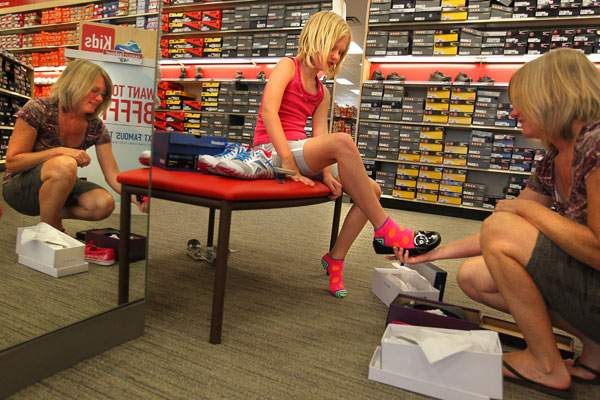
If Congress wants to create more jobs this holiday shopping season, it can start by eliminating many Depression-era tariffs on shoes. According to the Bureau… Read More
Would it surprise you to know that many of the Black Friday items for sale that cause so much frenzy are highly overpriced due to… Read More

On October 31, nearly five years after being signed by both nations, a free trade agreement between the United States and Panama will finally be… Read More
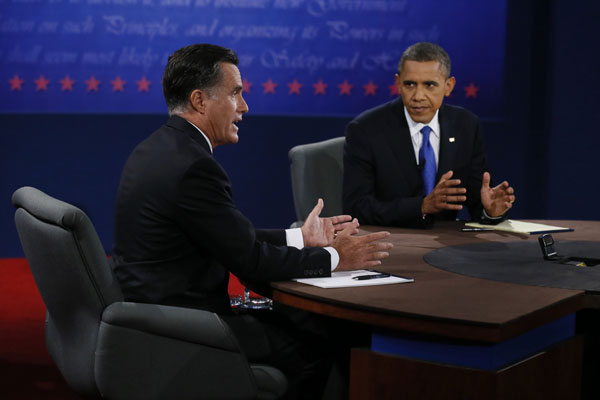
Trade policy with China was again front and center in last night’s presidential debate, with President Obama defending his Administration’s trade policies. In particular, the… Read More
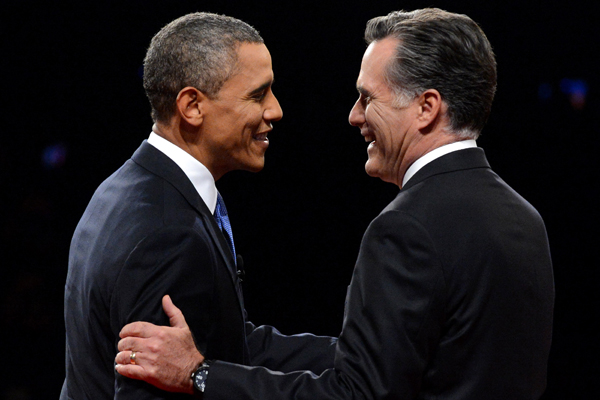
Tonight’s presidential debate is the last one that will include questions on domestic policy. The previous presidential and vice presidential debates covered a host of… Read More
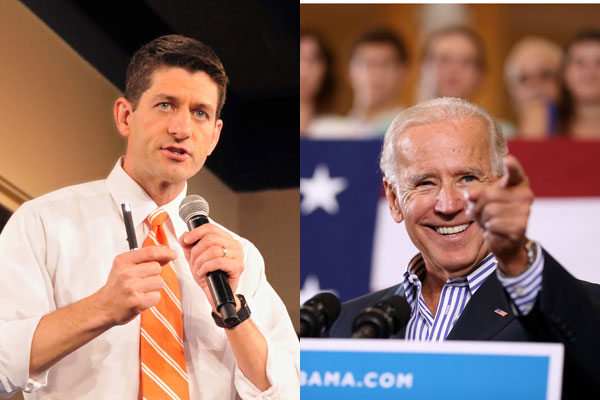
Tonight’s debate between Vice President Joe Biden and Representative Paul Ryan is supposed to cover both domestic and foreign policy. The Heritage Foundation’s policy experts… Read More
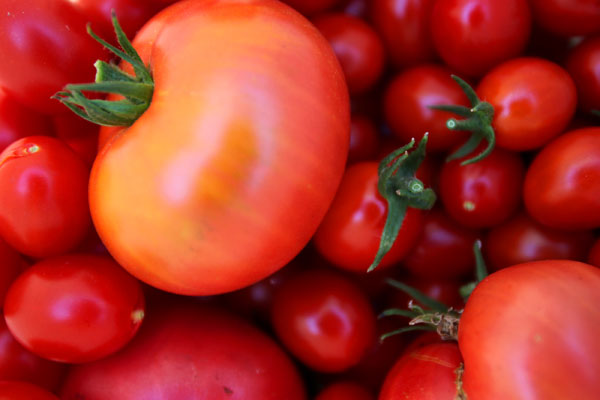
The Obama Administration’s Commerce Department recently took a preliminary position in favor of ending a 16-year-old trade agreement governing tomatoes imported from Mexico. The Florida… Read More

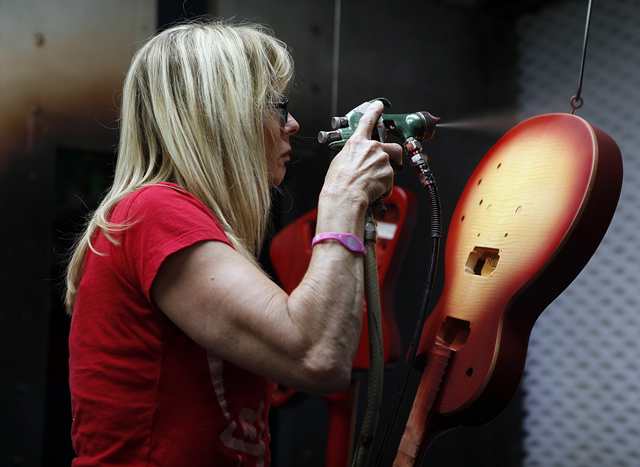
The Heritage Foundation has been writing about the problems that Gibson Guitar has faced for a long while now. Sadly, Gibson has bowed out of… Read More
It’s another August in Washington. It’s hot and humid. Most people not already at the beach are indoors watching the Olympics or in the water… Read More