• The Heritage Network
    • Resize:
    • A
    • A
    • A
  • Donate
  • Tales of the Red Tape

    Tales of the Red Tape is a special series on The Foundry that exposes some of the more egregious federal regulations that have multiplied by an unprecedented degree in the past year.

    Tales of the Red Tape #39: Swapping Wealth Creation for Regulatory Claptrap

    Not many people know the meaning of “swap” (as in a financial hedge, not flea market). Only the most sophisticated investors actually understand the complexities of buffering risk by exchanging cash flows. Under Dodd–Frank, however, federal regulators have been tasked with assuming control of this market, in which hundreds of … More

    Tales of the Red Tape #38: OSHA Advances Worker Risk—and Not Much Else

    If the Occupational Health and Safety Administration (OSHA) regulated its own doings in the manner it does private business, the agency’s doors would surely be shuttered. So lousy is its record of accrediting workplace safety examiners that some applicants have waited 10 years for their paperwork to be processed. It’s … More

    Tales of the Red Tape #37: NLRB Wrongs Property Rights

    One might reasonably assume that a legal corporation on American soil—in this case, Marriott—would have the right to decide when and where off-duty employees can access its property. You know, land of the free and all that. Well, think again. The National Labor Relations Board (NLRB) last month actually invalidated … More

    Tales of the Red Tape #36: USDA Lays a Regulatory Egg

    The Obama Administration fervently opposes state laws requiring voter identification to cast a ballot. But it is insisting that the nation’s farmers prove the identity of every chicken transported across state lines. Under the fowl rule proposed by the U.S. Department of Agriculture (USDA), a flock that has been hatched, … More

    Tales of the Red Tape #35: Reams of Simplicity from CFPB

    The Consumer Financial Protection Bureau (CFPB) is a veritable wellspring of costly dictates and regulatory excess. Among the dozens of pending regulations it has concocted is a 1,099-page proposal to streamline the mortgage process. Yes, you read that right: 1,099 pages to “streamline” the home loan experience. And get this: … More

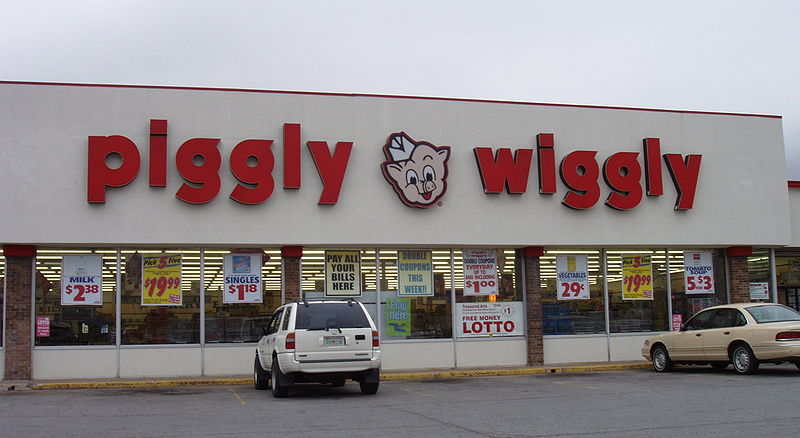
    Tales of the Red Tape #34: FDA Invades Piggly Wiggly

    Today we examine a proposed regulation that would require some 47,000 grocery stores nationwide to post calorie and other nutrition information each day for the ever-changing array of foods prepared on site, such as the salads, dips, and tropical whips so common to the deli case. Details about the rule … More

    Tales of the Red Tape #33: Congress Discredits Moms

    In its ceaseless quest to protect us from ourselves, Congress in 2009 compelled credit card companies to confirm an applicant’s “ability to pay” before approving an account. Lawmakers evidently believe that Visa, MasterCard, Discover, and the like somehow lack incentive to manage their own credit risk. (As opposed to, say, … More

    Tales of the Red Tape #32: Civil Rights for Bashful Bladders

    There are several colloquialisms for “paruresis” (par-YOU-ree-sis), one of the newer additions to the growing list of ailments supposedly protected under the Americans with Disabilities Act (ADA): “pee panic,” “stage fright,” and “urophobia,” among them. No matter one’s term of preference, they all refer to a difficulty or inability to … More

    Tales of the Red Tape #31: Charlie Manson for Hire

    The Equal Employment Opportunity Commission (EEOC) has brought forth yet another excuse to punish employers: Conducting a criminal background check of job applicants could trigger charges of race discrimination. No joke. By a vote of 4–1, the commission last week approved its new “Enforcement Guidance on the Consideration of Arrest … More

    Tales of the Red Tape #29: Drowning in New Regulations

    Some 120 regulations taking effect in the past year require enhanced accommodations for disabled individuals at 65 different types of public and private facilities—encompassing 7 million privately owned sites and 80,000 units of state and local government—including stadiums; convention centers; auditoriums; airport terminals; public parking facilities; theaters and concert halls; … More