After more than a decade of intensive ground combat in Iraq and Afghanistan, the U.S. military is facing a security environment very different from that which defined the first years of the 21st century. The threats facing the United States abroad are increasingly maritime in nature, whether it’s China’s aggressive …
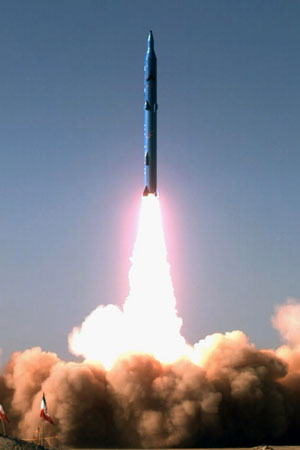
In yet another move that hovered somewhere between provocative and pestilent, Iran has again engaged in a series of naval and missile exercises in the Persian Gulf. The battery of tests, conducted last week and centered on the Strait of Hormuz—the highly important passageway through which one-fifth of the world’s …
As is frequently the case, petroleum futures markets are anxious about political instability in the Middle East. Of particular concern is the possibility that efforts to counter or eliminate Iran’s nuclear weapons capability will lead Iran to close the Strait of Hormuz, through which passes about one-fifth of the world’s …
Iran’s decision to halt oil shipments to the U.K. and France last weekend is a weak retaliatory measure against European actors for tougher sanctions. Despite this largely symbolic measure, Iran did manage to surprise world markets and drive up the price of oil. The U.K. imposed its hardest-hitting sanctions to …
The European Union yesterday imposed an embargo on future oil imports from Iran in an unprecedented escalation of sanctions aimed at forcing Tehran into negotiations on its uranium enrichment program. Foreign ministers from the EU’s 27 member states agreed to ban new purchases of Iranian oil and phase out oil …
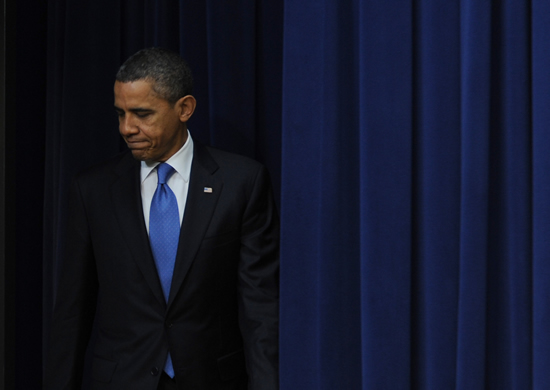
UPDATE: The U.S. Energy Information Administration announced on Jan. 27 that data used for its study of oil and gas production on federal lands was “incomplete.” The EIA is currently reviewing information from the Department of Interior and will correct its report upon completion. — In his announcement rejecting the …
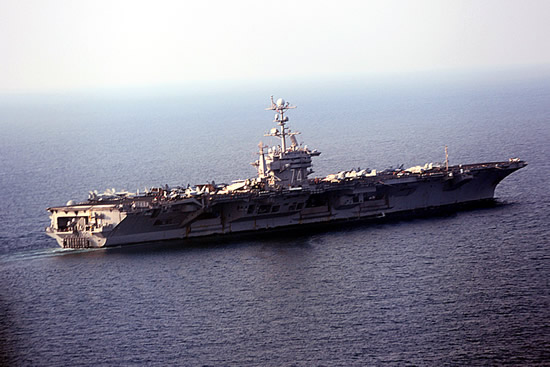
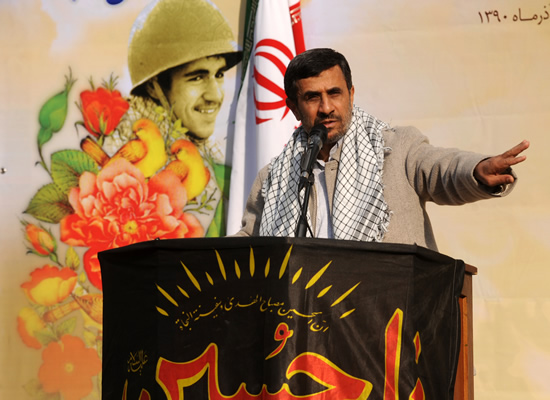
Iran’s Islamist dictatorship has escalated its bellicose rhetoric in recent days, boasting about its ability to disrupt oil exports from the Persian Gulf and warning that U.S. Navy warships (particularly the aircraft carrier USS John C. Stennis, which recently exited the gulf) could be attacked in the future. Iran has …
Last Friday, the United Arab Emirates acknowledged that damage sustained by a Japanese supertanker on July 28, 2010, in the Persian Gulf, was the result of terrorism——not a “huge wave” as was announced earlier. The attack demonstrated the increasing danger of maritime terrorism against critical energy infrastructure. Prior to this …