Scandal Du Jour at the State Department
Another day, another State Department scandal. This time, allegations of sexual misconduct have surfaced against U.S. Ambassador to Belgium Howard Gutman. On top of that,… Read More
Another day, another State Department scandal. This time, allegations of sexual misconduct have surfaced against U.S. Ambassador to Belgium Howard Gutman. On top of that,… Read More
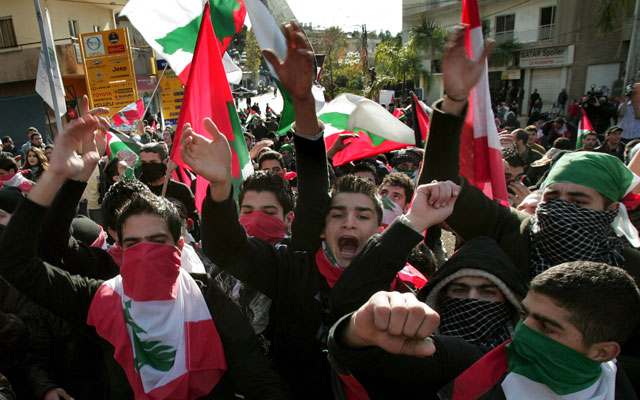
A new report by the State Department’s Office of Inspector General (OIG) on the U.S. embassy in Beirut, Lebanon, indicates that security at even the… Read More

Boko Haram, the Islamist insurgency in Nigeria, was called a terrorist organization by Secretary of State John Kerry last week. At the 50th anniversary Summit… Read More
Benghazi is back in the headlines with a vengeance as investigations continue on several congressional fronts: Representative Darrell Issa (R–CA) subpoenaed the State Department to… Read More
Yesterday’s appalling attack on a London street in the middle of the day, which left a British solider dead, was a barbaric act of terrorism… Read More
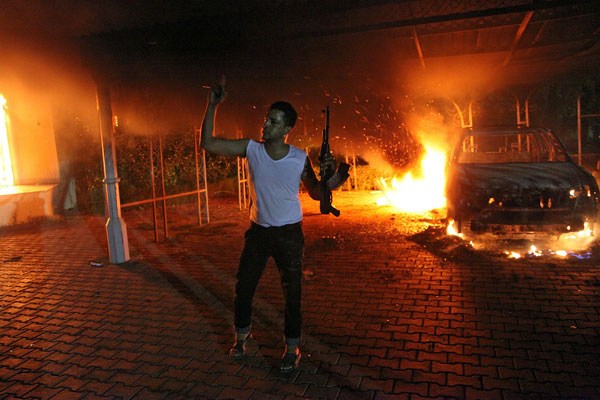
The White House release of the e-mail chain regarding the Benghazi talking points on Wednesday has opened up a slew of new questions. Covering only… Read More
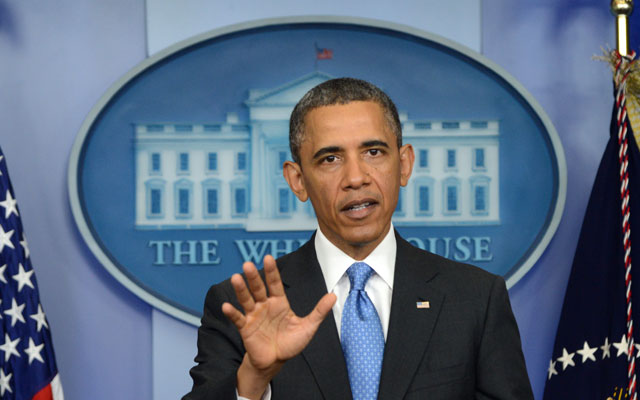
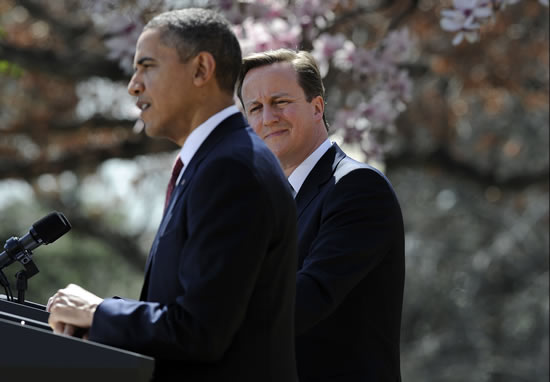
President Obama yesterday dismissed the House investigations into the Benghazi debacle as a political “side show.” In a news conference with British Prime Minister David… Read More

Pastor Saeed Abedini is a United States citizen from Boise, Idaho, who has been imprisoned for 223 days in Iran for “crimes against the Islamic… Read More
The State Department is about to lose yet another Under Secretary for Public Diplomacy and Public Affairs. As reported last week, Tara Sonenshine, who has… Read More
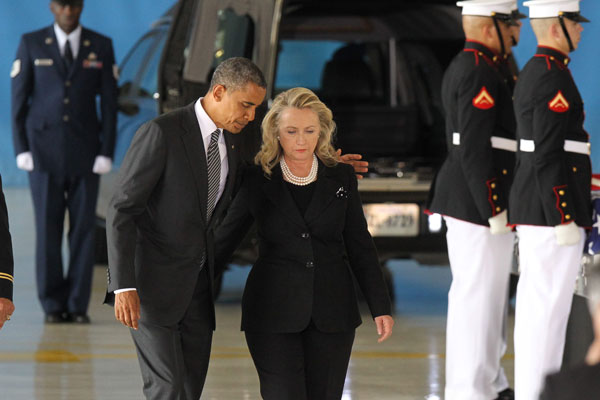
The White House might have wanted to mute its response to the terrorist attack in Benghazi for fear of inflaming Anti-American sentiment. Perhaps the President… Read More