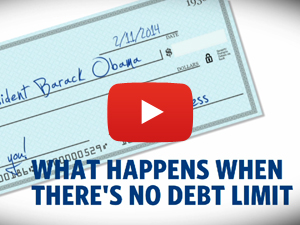
Congress Is Giving Obama a Blank Check
Remember all those debt limit fights? Well, apparently Congress got tired of fighting. So now they’re working toward doing away with the debt limit altogether…. Read More
Remember all those debt limit fights? Well, apparently Congress got tired of fighting. So now they’re working toward doing away with the debt limit altogether…. Read More

In the movie “Groundhog Day,” Bill Murray wakes up again and again to find that he is stuck in the same day. This happens multiple… Read More

It’s timely that the Congressional Budget Office (CBO) put out new numbers on America’s financial situation this week. By the end of the week, we’ll… Read More

The farm bill isn’t getting the attention it deserves. Congress is likely very aware of this fact and is pouncing on a chance to get… Read More
At least one special favor is hiding deep in the omnibus—giving one county’s government-subsidized transit system the advantage over private transportation. Buried on page 1,460… Read More
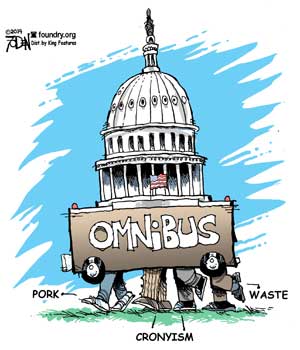
Members of Congress are preparing to vote on the $1.012 trillion omnibus spending bill as early as today. Released less than two days ago and… Read More
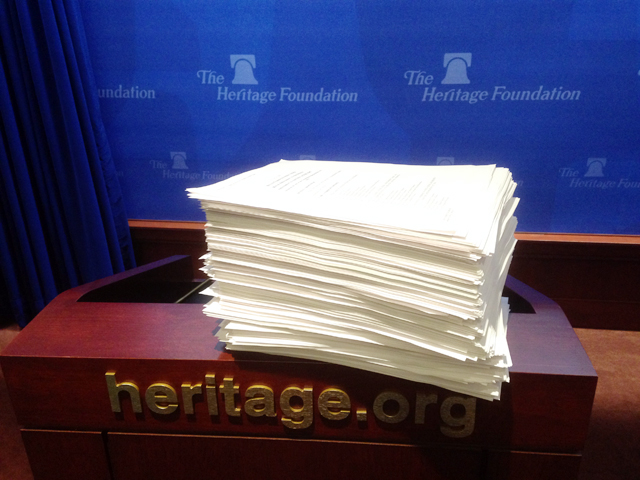
We’ve written several times that the Omnibus legislation includes Department of Energy spending that needlessly squanders money away on activities that should occur in the… Read More
Economy News
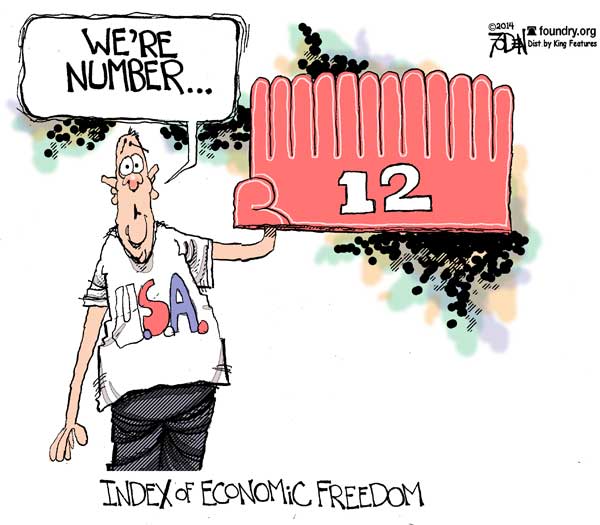
Would you want to live in a country that is losing freedom? How about a country that has lost ground in property rights and become… Read More
Passing bills to find out what’s in them… that was so 2010, right? Sadly, no. Any day now, Congress is likely to release the trillion-dollar… Read More

In spite of aggressive expansionary Federal Reserve policies and several rounds of fiscal stimulus since 2007, the U.S. economy has yet to take off. Nonetheless,… Read More