EconomyNews
Heritage Libertad Radio: Presidential Debate, Spanish Elections, More
Be sure to listen to this week’s Heritage Libertad Radio Show. Click here for the first 30 minutes in Spanish. Click here for the second 30… Read More
EconomyNews
Be sure to listen to this week’s Heritage Libertad Radio Show. Click here for the first 30 minutes in Spanish. Click here for the second 30… Read More
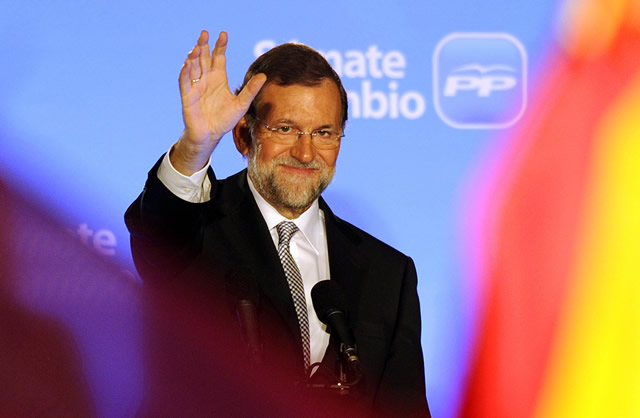
Be sure to listen to a special Heritage Libertad podcast on the recent Spanish elections. Click here to listen. With 23 percent unemployment overall, and… Read More
Spain will have a new government in time for Christmas, and unlike Greece and Italy, Madrid’s government will be a democratically elected one. Mariano Rajoy’s… Read More

A week ago, the Spanish government of Socialist Prime Minister José Luis Rodríguez Zapatero agreed to Spain’s participation in NATO’s European missile defense system by… Read More
Two centuries ago in Mexico a powerful advocate proposed New World freedoms and liberty as the answer to Old World tyranny. The voice came from… Read More
Today, 154 Republicans joined me on a letter to the President’s debt commission asking them to stand against a new value-added tax, or VAT. I’m… Read More
It is the sad plight of the proud Cuban people to live under the yoke of the Cuban Communist regime. May 20, 2010 marks the… Read More
For his sake, let’s hope that Bruce Arnold at the Congressional Budget Office doesn’t get the Gabriel Calzada treatment from the American Wind Energy Association… Read More
The country that leads the clean energy economy will lead the global economy. We’ve heard some version of that story a number of times from President… Read More
The Fundacion para el Análisis y los Estudios Sociales of Spain recently sponsored presentations on the 2010 Index of Economic Freedom (www.heritage.org/index) in Madrid and… Read More