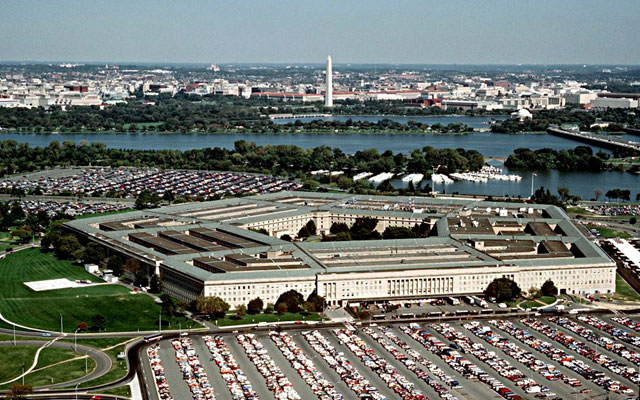
Defense Budget Cuts Troubling in a Dangerous World
Cuts in President Obama’s fiscal year 2014 defense budget submission are troubling, according to Mike Rogers (R–AL), Chairman of the Strategic Forces Subcommittee, House Armed… Read More
Cuts in President Obama’s fiscal year 2014 defense budget submission are troubling, according to Mike Rogers (R–AL), Chairman of the Strategic Forces Subcommittee, House Armed… Read More
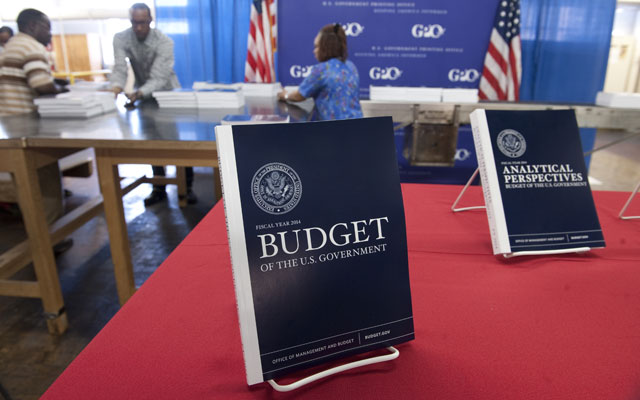
When the President’s budget comes out Wednesday, it will complete the last piece of the budget puzzle, as the House and Senate have each duly… Read More
In the ongoing debate over deficit reduction, President Obama and his colleagues in the House and Senate incessantly call for tax increases as if our… Read More

Too many healthy seniors retire early at a loss to their wealth and to society. Meanwhile, Social Security is in dire need of reform. Delaying… Read More
After going nearly four years without producing a budget resolution, Senate Democrats today released a plan confirming their mantra about “balanced” approaches has nothing to… Read More
At first look, the budget unveiled today by House Budget Committee Chairman Paul D. Ryan (R-WI) advances much-needed reforms and importantly accomplishes the crucial goal… Read More
News
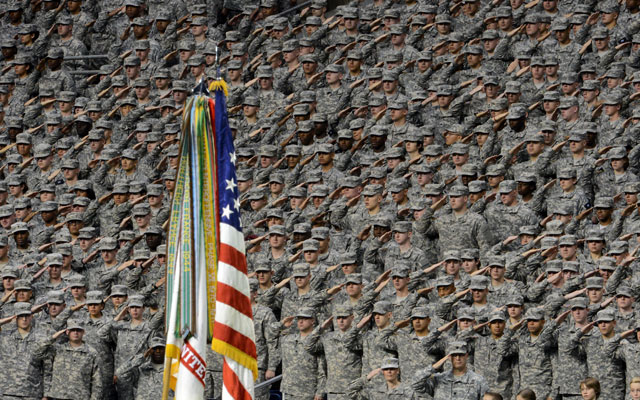
Heritage’s newly released Issue Brief “What the FY 2014 Budget Should Do” provides a blueprint for turning back Washington’s unsustainable spending and keeping national defense… Read More
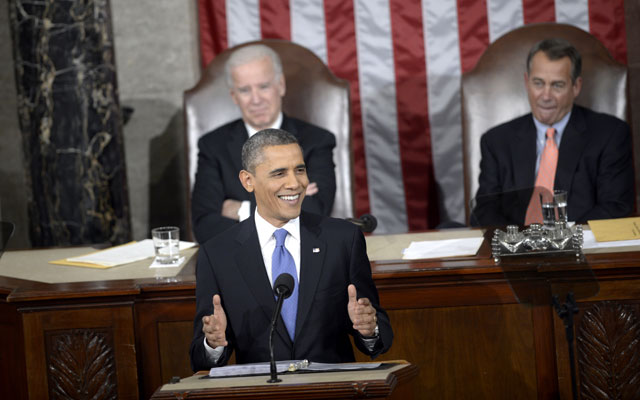
It’s time for Congress to make a real budget—and not just any budget. It’s been four years since the U.S. had a real budget. While… Read More
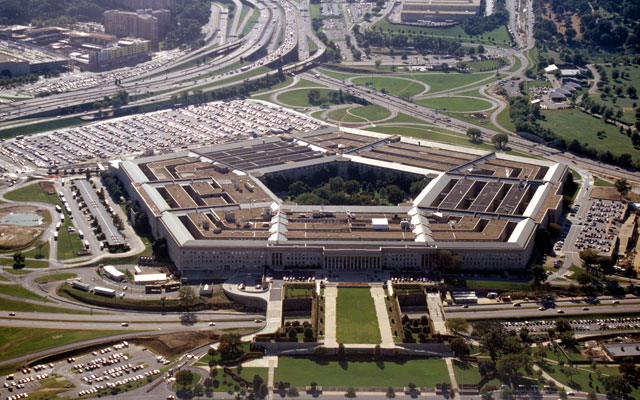
A February 26 article by CATO Institute Analyst Christopher A. Preble wrongly asserts that the imposition of automatic spending cuts, called sequestration, will not make… Read More

Valentine’s Day is supposed to be when couples come together and celebrate their relationship, but the 13 tax increases in the 2013 fiscal cliff deal… Read More