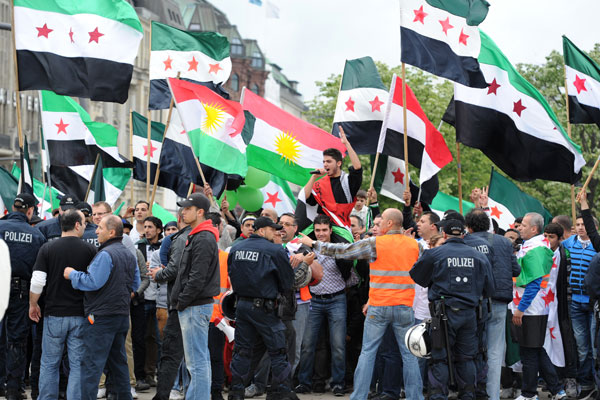
Syria: Obama’s Policy Implosion
The White House has become increasingly defensive about the supposed benefits of its policy zigzags regarding the deepening crisis in Syria. Syria’s humanitarian crisis is… Read More
The White House has become increasingly defensive about the supposed benefits of its policy zigzags regarding the deepening crisis in Syria. Syria’s humanitarian crisis is… Read More
Outspoken anti-corruption crusader and whistleblower Alexei Navalny may face up to 10 years in prison in Russia for money laundering. Just weeks ago, a Russian… Read More
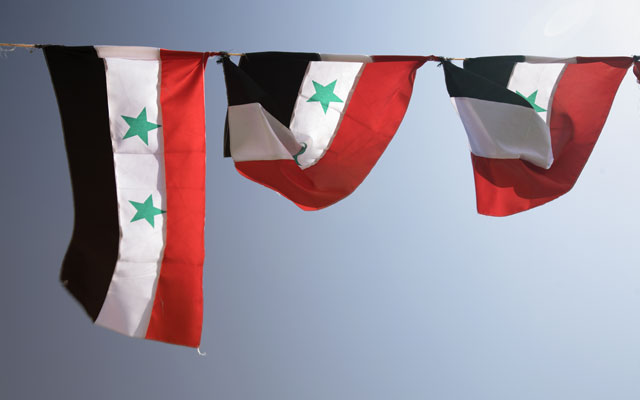
The U.S. and Russia have failed to come to a peace talk date to diplomatically solve the crisis in Syria. The main point of contention… Read More
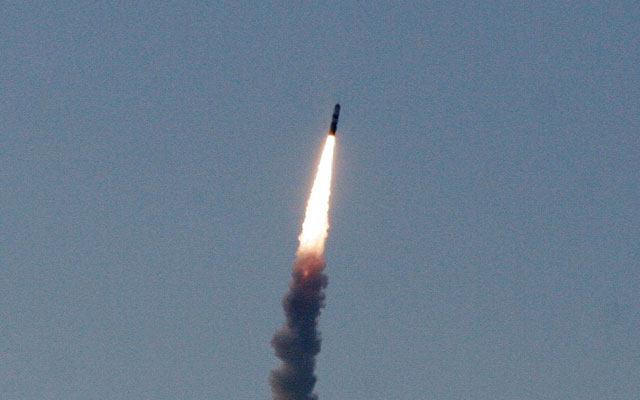
The United States and Romania recently began construction on a Romanian-based missile defense system, also known as Aegis Ashore. This critical event is requisite to… Read More
NATO will conduct one of its largest military exercises since the end of the Cold War, but the U.S. is planning to send only a… Read More

Recently, several of Russia’s “younger siblings,” such as Ukraine and Moldova, finally got a chance to partially break from the Russian bear hug and opt… Read More
SecurityNews
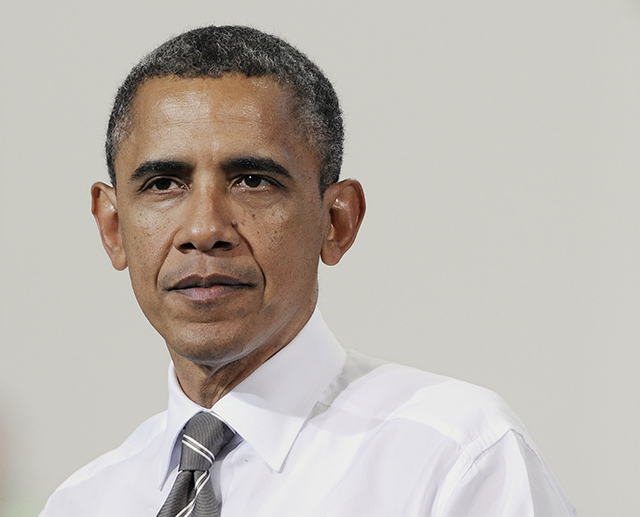
President Obama this morning laid out a foreign policy roadmap for the remainder of his presidency. However, his audience at the United Nations General… Read More
SecurityNews
Moscow has quickly exploited Secretary of State John Kerry’s off-the-cuff remark on Monday about how Syria could avoid a U.S. military attack by giving up… Read More
This week in The New York Times—on September 11, no less—Russian President Vladimir Putin took issue with the idea of American exceptionalism. He wrote: It is… Read More
News
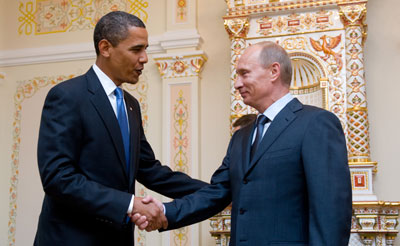
It’s good that Russian President Vladimir Putin and American President Barack Obama have found something they can agree on. Unfortunately, they’re both wrong. Neither Putin… Read More