Ten Inspiring Quotes from President Ronald Reagan
As we celebrate the 101st birthday of President Ronald Reagan, we remember the profound impact he had on government policy, but more importantly on the… Read More
As we celebrate the 101st birthday of President Ronald Reagan, we remember the profound impact he had on government policy, but more importantly on the… Read More
Today marks President Ronald Reagan’s 101st birthday. Born in Tampico, Illinois, Reagan made his journey west to Iowa as a radio broadcaster, then on to… Read More
February 6 is Ronald Reagan’s birthday. While the right has long looked to Reagan as the standard-bearer of conservative leadership, over the past few years,… Read More
News
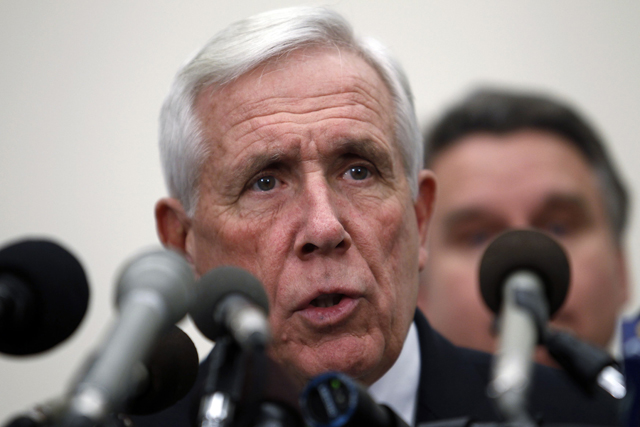
With economic issues dominating the domestic political agenda and much of our foreign policy focused on combating terrorism, systematic violations of political and religious rights… Read More
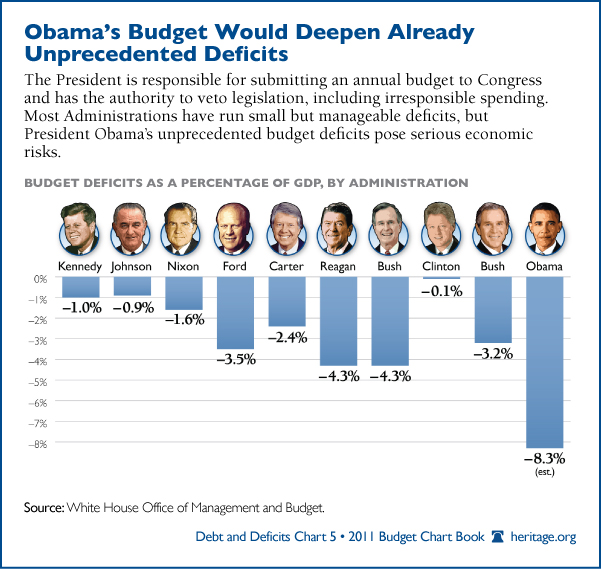
Over the past 50 years, 10 U.S. presidents have made annual budget requests to Congress, projecting deficits both big and small. But no other president… Read More
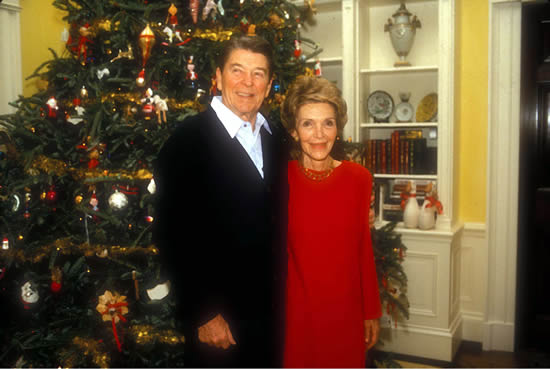
Let us turn one more time to Ronald Reagan, in his centennial year, for some Christmas cheer. President Reagan loved America, his shining city on… Read More
Rhetoric and material strength go hand-in-hand to form the core of any coherent foreign policy. Drawing on his vast wealth of experience as a career… Read More
This month marks the 70th anniversary of the attack on Pearl Harbor and the U.S. declaration of war on Japan, Germany and Italy. December 1941,… Read More
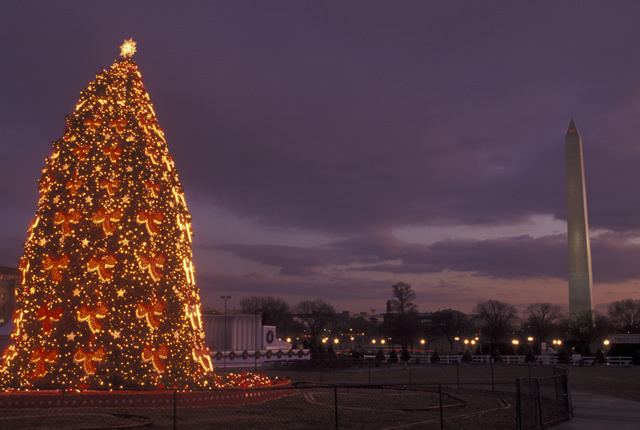
You camped out by Best Buy for Black Friday, perused the neighborhood shops on Small Business Saturday, crashed the computer on Cyber Monday, but still… Read More
These days, everybody loves Reagan. It’s not just the eight GOP candidates who are trying to out-Reagan each other on the campaign trail. Liberals, too—including… Read More