
Why Should the Government Prevent Union Members from Earning RAISEs?
A few years ago, President Obama declared he believed “in people getting rich based on performance and what they add in terms of value and… Read More
A few years ago, President Obama declared he believed “in people getting rich based on performance and what they add in terms of value and… Read More
The RAISE Act would rewrite the National Labor Relations Act to make union rates only a minimum wage. If employers wanted to, they could always… Read More

Union bosses are excited that they have prevented their members from getting raises. It’s a bit mind-boggling, but that’s what happened. Last week, the Service… Read More
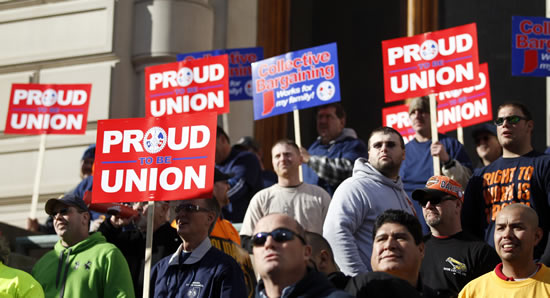
“Collective bargaining rights are under attack—again,” warns the SEIU. The union claims employees face a “federal attack on your rights at work.” How? From a… Read More
Union contracts do not just set the minimum compensation that workers can earn; they also set maximum wages. Employers may not pay employees more than… Read More

The Brooklyn Hospital Center wanted to reward its best nurses, so it honored high-performing nurses with a breakfast and gave them $100 gift cards. Unfortunately,… Read More
LIFTING THE PAY CAP ON 8 MILLION WORKERS Unions Cap Their Member’s Pay Setting a Wage Ceiling: Currently union contracts set both a wage floor… Read More