Scott Winship’s recent piece in National Affairs, “Overstating the Costs of Inequality,” elevates the national debate over the role that income inequality plays in economic mobility and growth. Winship, an economist at the Brookings Institution, finds “simply very little evidence to suggest that…income disparities between the rich, middle class, and …
March 15 marks the first anniversary of the Korea–U.S. Free Trade Agreement (KORUS FTA). Over the past 12 months, a growing number of businesses in both countries have taken action to capitalize on the expanded opportunities created by the free flow of products, services, and ideas through the KORUS FTA. …
Amity Shlaes will be speaking about her new book Coolidge at Heritage tomorrow. It’s a great opportunity to learn why, when it comes to government, bigger isn’t better. Less than a century ago, the United States enjoyed an economic boom under the leadership of a quiet, restrained, and often forgotten …
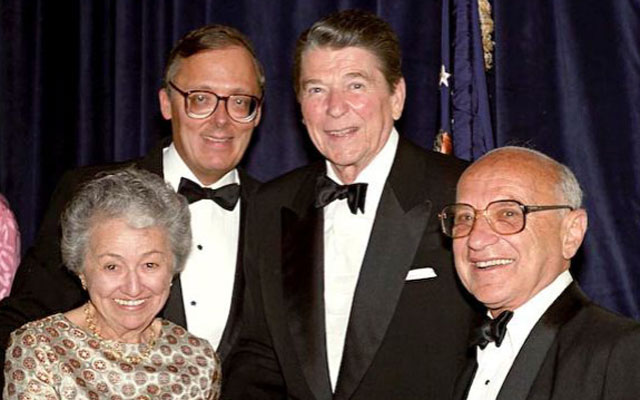
Many looked at the results on Election Day and saw disaster. At The Heritage Foundation, however, we see opportunity. Americans are asking: “What do conservatives stand for?” This is the opportunity to tell them. There are important lessons to be learned from the recent election and the current trends in …
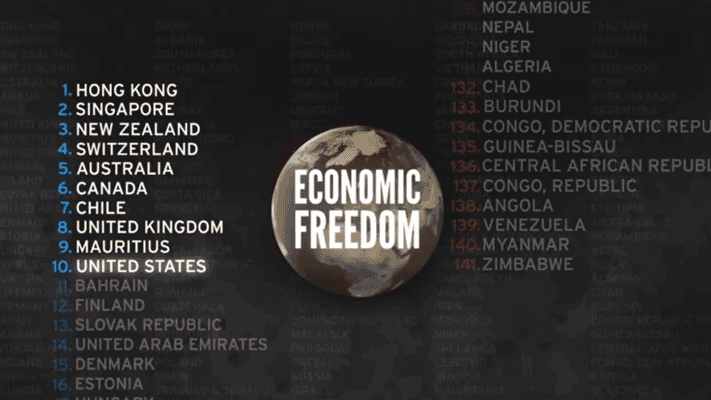
In an unprecedented fall, the U.S. dropped out of the top 10 for the first time in the 2012 Legatum Prosperity Index that was published today. The index benchmarks countries in eight categories: economy, education, entrepreneurship and opportunity, governance, health, personal freedom, safety and security, and social capital. Legatum’s latest …
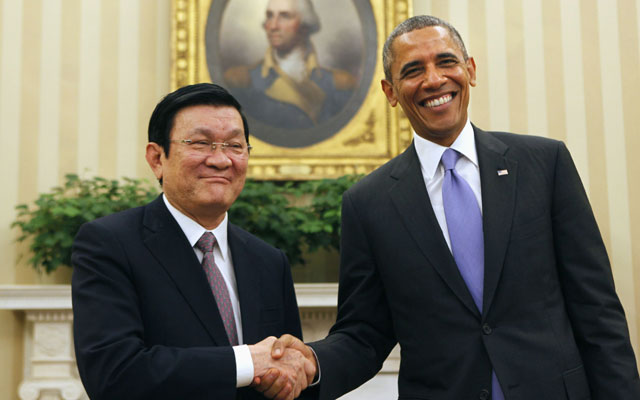
In his October 1 speech to the 45th Annual Meeting of the Association of American Chambers of Commerce in Latin America, World Bank President Jim Yong Kim made his pitch to (re)assure private business leaders that he is serious about private-sector-driven economic growth and development. In a rather confessional tone, …
In a recent New York Times column, a professor of economics argued that the reason we’re mired in economic malaise is that we’re too productive. Ever-increasing productivity means that if our economies don’t continue to expand, we risk putting people out of work.…What, then, should happen when, for one reason …
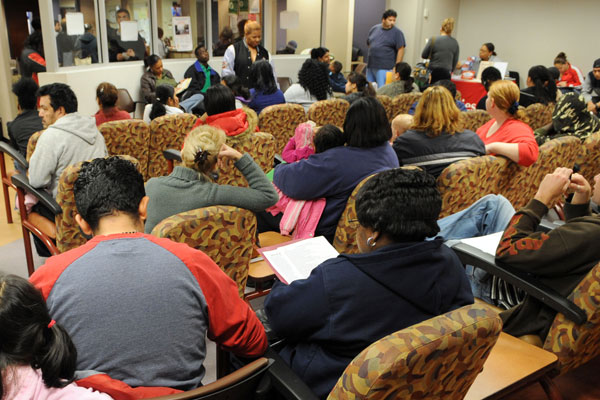
North Carolinians, like many Americans, are concerned that opening the door to foreign companies will result in the loss of jobs, hurting the economic livelihood of the state and its residents. North Carolina’s elected officials have reflected their concerns on free trade through their voting patterns. Both the voters and …
In his recent commentary in the Financial Times, Kenneth Rogoff, a professor of economics at Harvard, made a strong case for the importance of education in heading off future crises in capitalism: Societies need to find ways to make adult education, including economic and financial literacy, far more available and …