PoliticsAnalysis
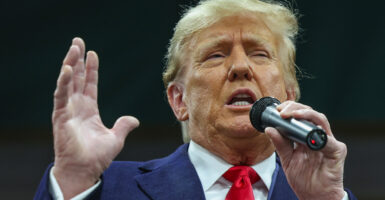
Trump Won Iowa. Political Insider Explains Why.
The polls didn’t lie. Former President Donald Trump was projected to be the winner of the Iowa caucuses Monday night just about 30 minutes after… Read More
PoliticsAnalysis
The polls didn’t lie. Former President Donald Trump was projected to be the winner of the Iowa caucuses Monday night just about 30 minutes after… Read More
LawCommentary
Looking back on what happened in the election field in 2023 can give us a better sense of what to expect in this year’s presidential election. Legislators… Read More
PoliticsCommentary
You can see it with your own eyes. But Democrats and their left-wing media allies call it a “fantasy.” What is it? Election fraud. A… Read More
PoliticsCommentary
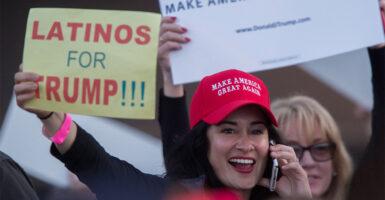
The Spanish-language network Univision interviewed former President Donald Trump this month and allowed him to respond to questions without interruption or personal attacks. It was like every… Read More
PoliticsCommentary
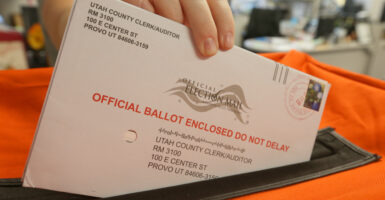
The 2024 primary season is already in full swing, but it’s not too late for states to improve the security and integrity of their election… Read More
LawCommentary
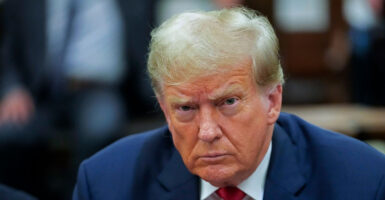
At her first appearance in the criminal case against Donald Trump for his alleged attempt to overturn the 2020 election, U.S. District Court Judge Tanya… Read More
PoliticsCommentary
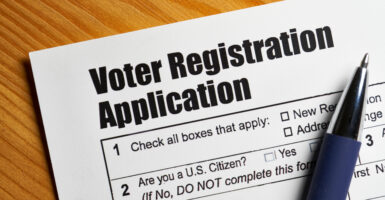
“Nonprofit voter registration” doesn’t sound interesting. Yet nonprofit voter registration, or the use of tax-exempt charitable organizations to conduct and fund voter-registration drives, is one… Read More
LawNews
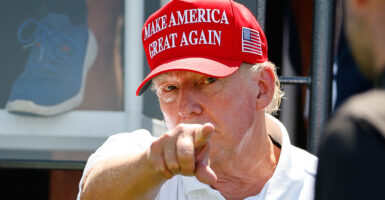
Former President Donald Trump suggested that under the standard by which he faces racketeering charges in Fulton County, Georgia, for contesting the 2020 presidential election,… Read More
PoliticsCommentary
This week, Fulton County District Attorney Fani Willis launched a 98-page missile directly into the heart of American politics. That missile was a 41-count indictment… Read More
InternationalCommentary
Elections have consequences. They can either benefit a nation or lead to disastrous outcomes. On June 25, Guatemala held its first round of the presidential… Read More