• The Heritage Network
    • Resize:
    • A
    • A
    • A
  • Donate
  • Debate Prep: America’s Role in the World

    The final presidential debate, on foreign policy, is scheduled for Monday, October 22. Moderator Bob Schieffer announced that the topics will be: “America’s Role in the World,” “Our Longest War—Afghanistan and Pakistan,” “Red Lines—Israel and Iran,” “The Changing Middle East and the New Face of Terrorism,” and “The Rise of … More

    The McKinnon Case and the U.S.–U.K. Extradition Treaty

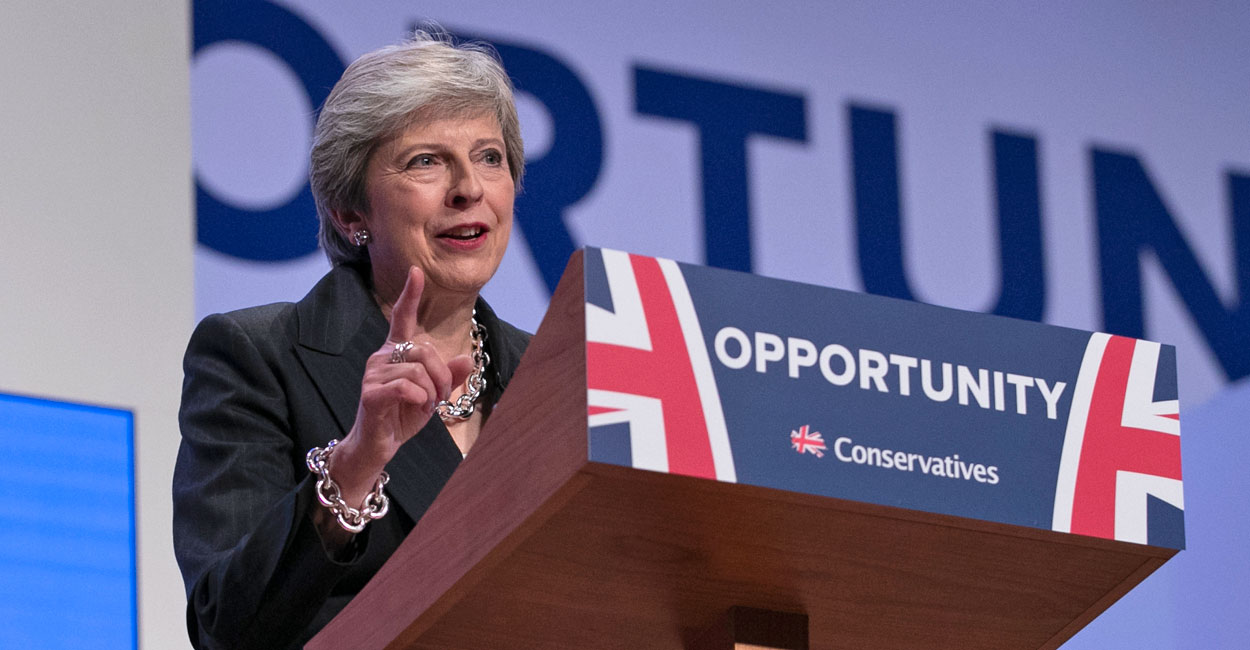
    On Tuesday, British Home Secretary Theresa May announced in the House of Commons that Gary McKinnon, who has acknowledged hacking into U.S. government computers, would not be extradited to the U.S. because he was mentally ill, and extradition would therefore violate his human rights. The U.S. Department of Justice responded … More

    The EU’s Nobel Peace Prize: Not Just a Laughing Matter

    The news that the European Union—which is in the midst of the most sustained crisis of its history—has been awarded the Nobel Peace Prize is worthy of a laugh—or three. European defense spending is at post-1945 lows and falling further still; it is not the EU that is keeping the … More

    As Spain and Greece Burn, Estonia Offers a Lesson

    Over the past few days, new strikes and riots have convulsed Greece and Spain. Conventional wisdom (including from economist Paul Krugman) suggests that cuts in government spending—often described as “austerity”—are a primary cause of the economic downturn in these nations and across much of Europe. This “demand deficiency” hypothesis leads … More

    Why Larry Summers Is Wrong About the British Economy

    Harvard economist Larry Summers claims in The Washington Post that aggressive fiscal austerity in the U.K. is the primary cause of its continued economic stagnation. But the former Obama advisor understates both the necessity for a credible British fiscal plan in 2010 and the structural factors that have been a … More

    U.N. “Programme of Action” Does Little Damage, So Far

    The 2012 Review Conference for the U.N.’s “Programme of Action to Prevent, Combat, and Eradicate the Illicit Trade in Small Arms and Light Weapons in All Its Aspects” (PoA) concluded with a consensus agreement on Friday. The agreement continued the PoA’s track record of over-promising and under-delivering, but, in the … More

    U.S. Should Quit U.N.’s “Programme of Action”

    Today marks the second week of the 2012 Review Conference for the U.N.’s “Programme of Action to Prevent, Combat, and Eradicate the Illicit Trade in Small Arms and Light Weapons in All Its Aspects,” commonly known as the PoA. Unlike the U.N.’s Arms Trade Treaty (ATT), which collapsed for the … More

    The End of the U.N.’s Arms Trade Treaty—for Now

    On Friday, the negotiating conference for the U.N.’s Arms Trade Treaty (ATT) crashed to short-term failure. After four weeks, the clock ran out. The ATT was an effort to strike a deal between the Europeans and the Americans—who hoped (wrongly) that a treaty would force inept and dictatorial states to … More

    U.N. Negotiations on Arms Trade Treaty Near End

    The U.N.’s Arms Trade Treaty (ATT) conference released a second draft text late in the afternoon on Thursday. After initial reactions from states, the questions still at issue came into focus. In order of significance, the top five questions are: 1. Will the treaty be amendable by consensus or by … More

    The Arms Trade Treaty: Just A Gateway Drug

    The outcome of the U.N. Conference on the Arms Trade Treaty (ATT) is still uncertain, but one thing’s for sure: The ATT is not going to go away. It’s obvious that there’s no consensus yet on the crucial parts of the treaty, including its scope (what kinds of weapons, items, … More