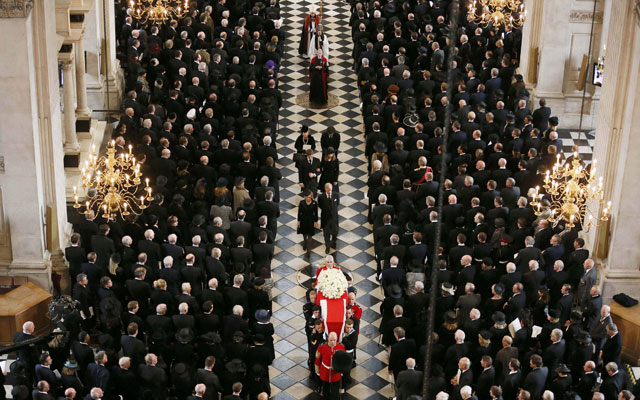
Margaret Thatcher’s Funeral: America Says Goodbye to a Friend
During an eloquent and poignant funeral service earlier today in London’s St. Paul’s cathedral, the world said its final goodbye to one of the most… Read More
Ted Bromund is a senior research fellow in Anglo-American relations in the Margaret Thatcher Center for Freedom at The Heritage Foundation. Read his research.
View all authors
During an eloquent and poignant funeral service earlier today in London’s St. Paul’s cathedral, the world said its final goodbye to one of the most… Read More
News
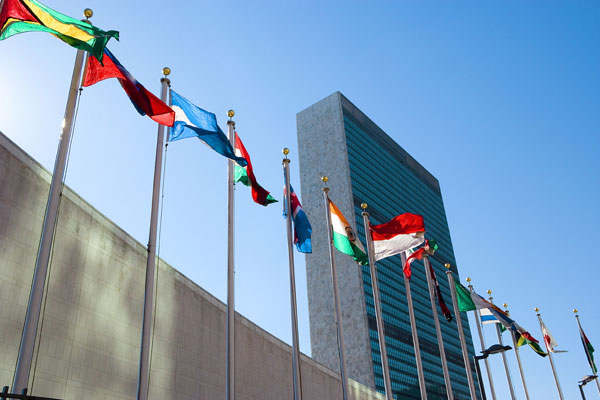
This morning, by a vote of 154 nations in favor (including the United States), 23 abstentions, and three against (Syria, North Korea, and Iran), the… Read More
News

One of the unreported stories about the negotiation of the Arms Trade Treaty (ATT) at the United Nations is the effort by many U.N. members,… Read More
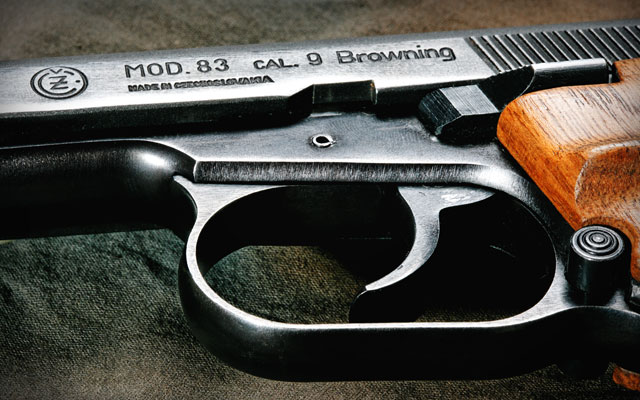
Late on Thursday, the U.N. conference on the Arms Trade Treaty (ATT) fell apart when Iran, North Korea, and Syria opposed the treaty. This was… Read More

At noon on Wednesday, Peter Woolcott, the president of the U.N. Conference on the Arms Trade Treaty (ATT), released the last draft of the treaty…. Read More
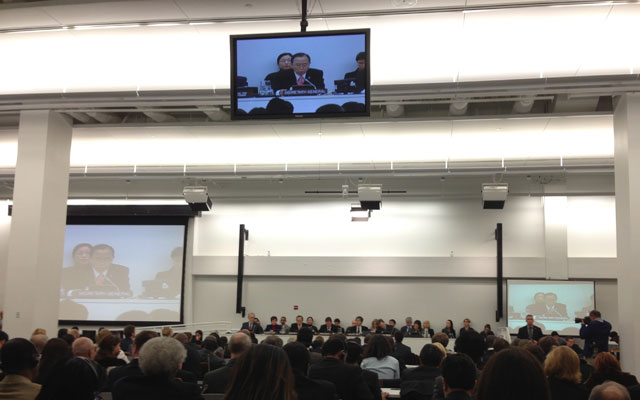
In New York, the Arms Trade Treaty (ATT) conference is entering its final phase, and the ways in which the negotiations might fail are becoming… Read More
News
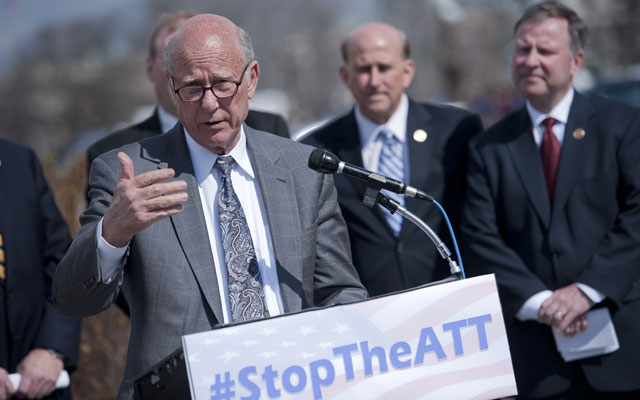
At the United Nations, review continues of the latest draft of the Arms Trade Treaty (ATT) that was unveiled on Friday. The temperature of the… Read More
Late on Friday, the president of the U.N. Conference negotiating the Arms Trade Treaty (ATT) released his latest draft of the treaty. A final draft… Read More
News
The row between China and the European Union at the U.N. conference on the Arms Trade Treaty (ATT) got Thursday off to a heated start…. Read More
The fireworks at the U.N. Arms Trade Treaty (ATT) conference in New York started late on Wednesday. By Thursday afternoon, the atmosphere, which had in… Read More