• The Heritage Network
    • Resize:
    • A
    • A
    • A
  • Donate
  • $76 Trillion to Engineer a Green Economy?

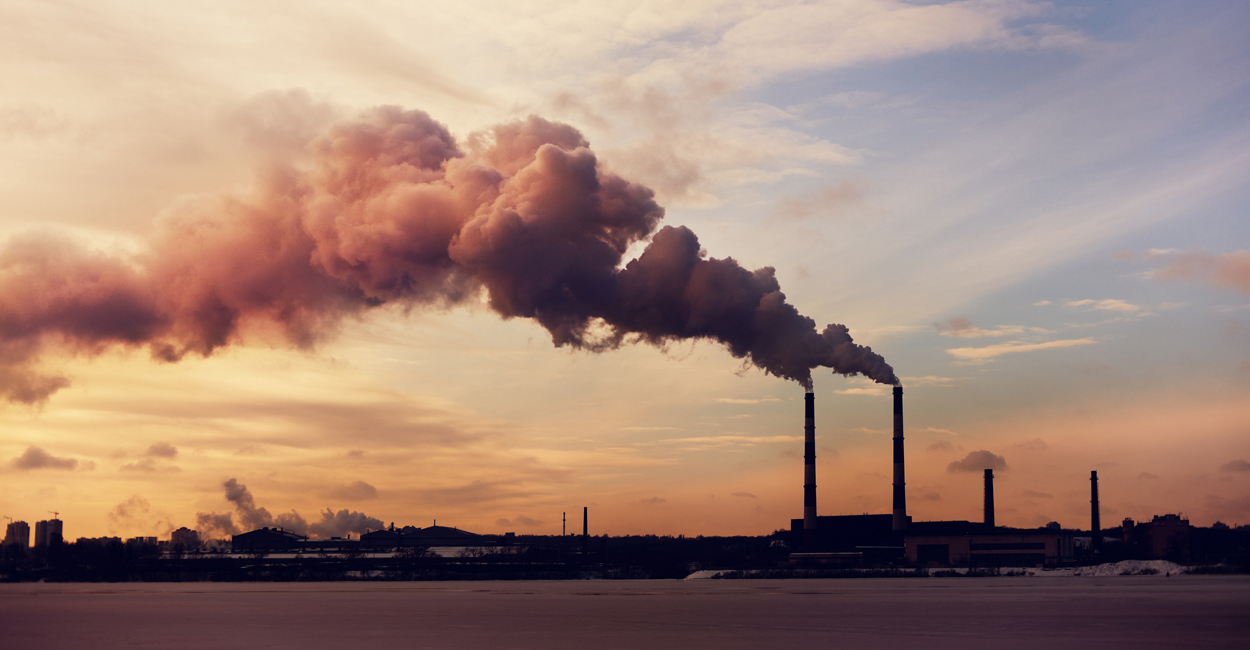
    A new report from the United Nations Department of Economic and Social Affairs demonstrates that the U.N. has no business meddling in economic or social issues. In a recently released World Economic and Social Survey entitled “The Great Green Technological Transformation,” the U.N. says our governments need to spend $1.9 trillion a year for 40 years in order to successfully transition to a global green economy. That’s a $76 trillion price tag for the green initiative, an initiative that won’t bring about economic prosperity nor improve our environmental well being. … More

    EPA Regulations Will Kill Coal, Jobs in Texas

    The Environmental Protection Agency (EPA) wants to ensure that everything is bigger in Texas, including the state’s electricity rates and unemployment lines. On July 7, the EPA adopted a rule to place even more stringent regulations on sulfur dioxide emissions that could shut down the use of lignite coal in Texas. EPA Administrator Lisa Jackson assured Texans that their economy and coal production would be just fine: Texas has an ample range of cost-effective emission reduction options for complying with the requirements of this rule without threatening reliability or the … More

    Light Bulb Ban Repeal Under the Spotlight

    The House of Representatives is expected to vote on the BULB Act this week, which was introduced by Representatives Joe Barton (R–TX), Michael Burgess (R–TX) and Marsha Blackburn (R–TN). The legislation would repeal Subtitle B of Title III of the Energy Independence and Security Act of 2007—the phase-out of the incandescent bulb as we know it. The light bulb ban has become a symbolic representation of the federal government’s intrusion into the American individual’s freedom. The insinuation behind energy efficiency standards—not just for light bulbs, but for vehicles, appliances, and … More

    Federal Judge Forces Interior to Decide on Drilling Leases

    Typically when someone buys something, that person receives some good or service in return. That’s not always the case when it comes to the federal government. The Department of Interior failed to issue leases after several oil and gas companies purchased them from the Bureau of Land Management. Consequently, the six companies that won and bought the leases and Western Energy Alliance, which represents more than 400 independent natural gas and oil producers, sued the government. They earned a partial victory last week when a federal judge in Wyoming ordered … More

    Your Tax Dollars Going to an Energy-Efficient TV Competition

    Doesn’t the Department of Energy (DOE) have enough needless programs and spending projects on its plate? DOE recently announced that it is launching a new program in cahoots with the Consortium for Energy Efficiency in which they will award the producer of the most efficient television. Producers will compete internationally for the chance to stamp their televisions with a logo from the DOE saying their products are energy efficient, leading consumers to believe that they will save money on their electricity bills. Maybe they will, but if a producer is … More

    Open Areas to Drilling, Don’t Open the Strategic Petroleum Reserve

    The 28 member countries of the International Energy Agency (IEA) agreed to release 60 million barrels of oil reserves—2 million barrels per day over 30 days—to offset the supply disruption as a result of the political unrest in Libya. The Obama Administration announced that 30 million of those barrels will be met by releasing supplies from our domestic Strategic Petroleum Reserve (SPR). The problem is that releasing reserves from SPR does not pass legal, rational, or economic muster. A much more prudent move for the Administration would be to open … More

    Increasing Access to Alaska’s Oil

    Once delivering 2.1 million barrels of oil a day to the United States, the Trans-Alaska Pipeline, one of the world’s largest pipeline systems, now carries about one-third of that. Although the pipeline collects oil from several fields, falling production in those fields could eventually cause the pipeline to shut down. If the flow falls below a certain level—estimates vary from 350,000 barrels per day to 200,000 barrels per day—cold temperatures can cause ice buildup and corrosion. The real question, though, is how to meet America’s energy needs. One way to … More

    Why Ethanol and Natural Gas Don’t Deserve Subsidies

    Two of the energy subsidy debates in Washington focus on tax credits for the ethanol and natural gas industries. The growing opposition to the $6 billion ethanol blender’s tax credit became quite clear when the Senate voted 73–27 to remove the subsidy—even though the credit is set to expire at the end of the year. When it comes to natural gas, bipartisan support has been cast to create, expand, or extend preferential tax treatment to subsidize the production, use, and purchase of natural gas vehicles (NGVs), although several Members of … More

    Obama’s Green Policies Will Turn the Lights Out on Job Creation

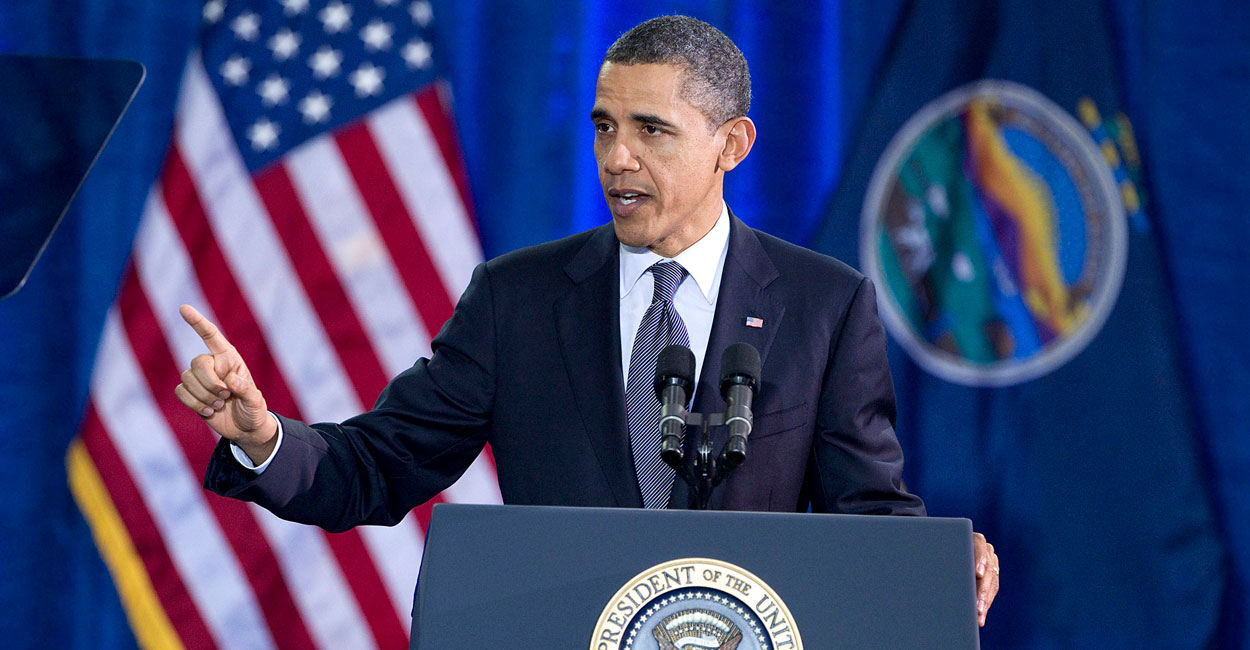
    Yesterday, President Obama met with his Jobs and Competitiveness Council and delivered remarks at Cree, a lighting manufacturing facility in Durham, North Carolina. He discussed the importance of the “clean energy revolution” that will help jumpstart the economy. But the green energy policies President Obama has been advertising are anti-job creation and anti-competitiveness more than anything. Here’s why. President Obama liberally uses the word investments when he talks about government funding for green technologies, and when he does, he commits the “free lunch” fallacy that plagues our politicians who believe … More

    Here Come Obama’s ‘Necessarily Skyrocketing’ Electricity Rates

    President Obama’s infamous words—saying electricity rates will “necessarily skyrocket” under his cap-and-trade program that would impose a costly energy tax on American consumers—are set to come true. Just ask the market. Although cap and trade is not law, the Environmental Protection Agency’s (EPA) backdoor train wreck of energy regulations is forcing utilities to file for significant rate hikes in years to come because of the upgrades they will have to make or the complete shutdown of older plants. Take Louisville Gas & Electric (LG&E), for instance. In what’s labeled as … More