
EconomyCommentary
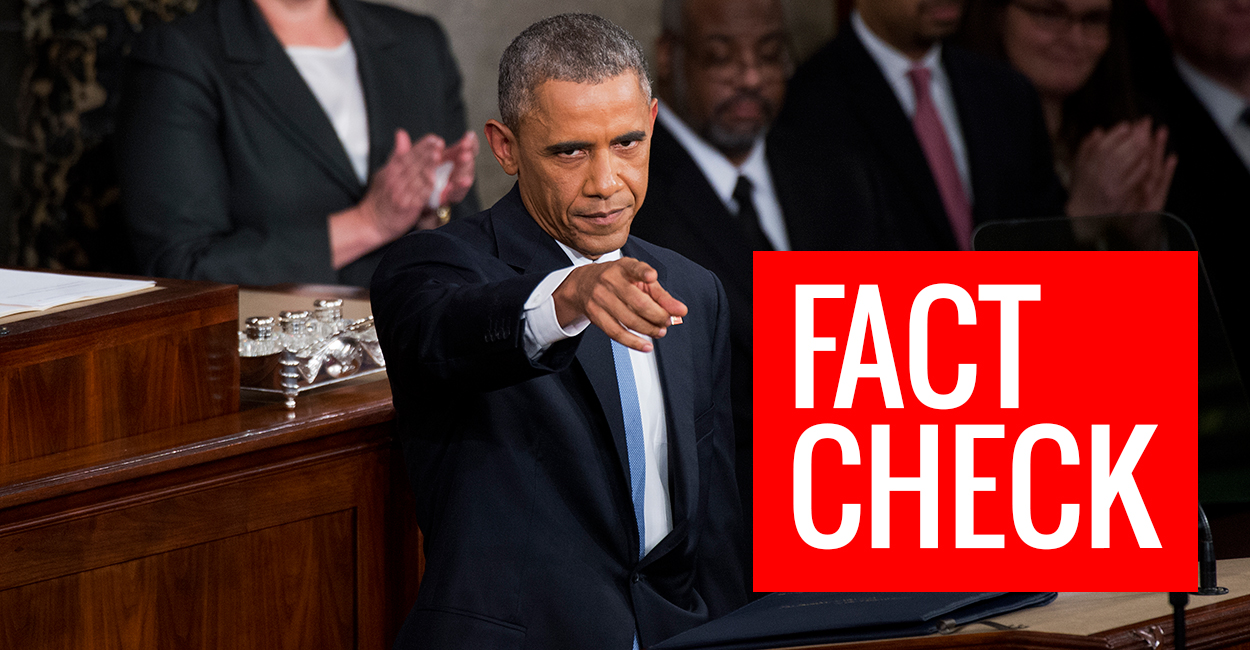
Fact Checking Obama’s Jobs Claims in State of the Union
President Obama talked at length about jobs, the minimum wage and salaries during his State of the Union speech. Here we look at some of… Read More

As a research fellow in labor economics at The Heritage Foundation, James Sherk researches ways to promote competition and mobility in the workforce rather than erect barriers that prevent workers from getting ahead. Read his research.
View all authorsEconomyCommentary
President Obama talked at length about jobs, the minimum wage and salaries during his State of the Union speech. Here we look at some of… Read More
EconomyCommentary
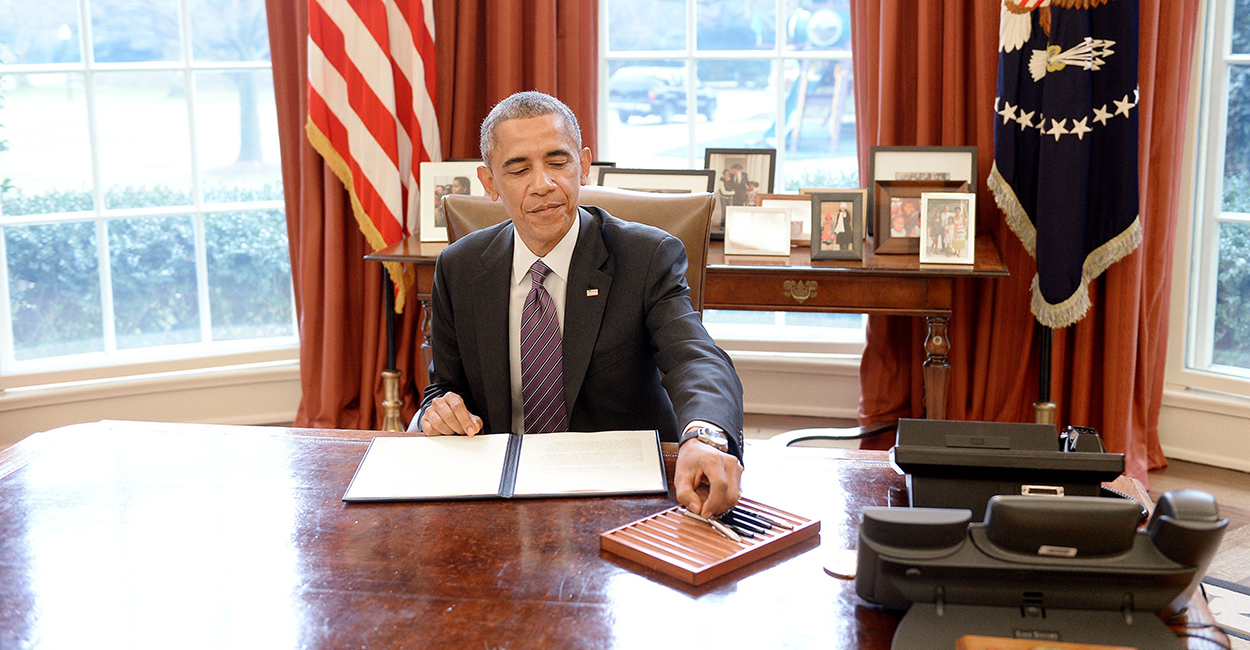
President Obama just urged Congress to cut workers’ wages. Of course, the news headlines did not report it as such. However, make no mistake: The… Read More
EconomyCommentary

A major economics story for conservatives slipped under the radar screen as Americans celebrated the New Year: Two more Kentucky counties passed local right-to-work laws…. Read More
EconomyCommentary

Americans of all income levels would benefit from faster economic growth that raises wages. Unfortunately, wages are being held back by the very policies supported… Read More
EconomyCommentary
The December employment reports’ headline figures show robust labor market growth. But the details of the report give less optimistic news. The economy continues to recover… Read More
EconomyCommentary
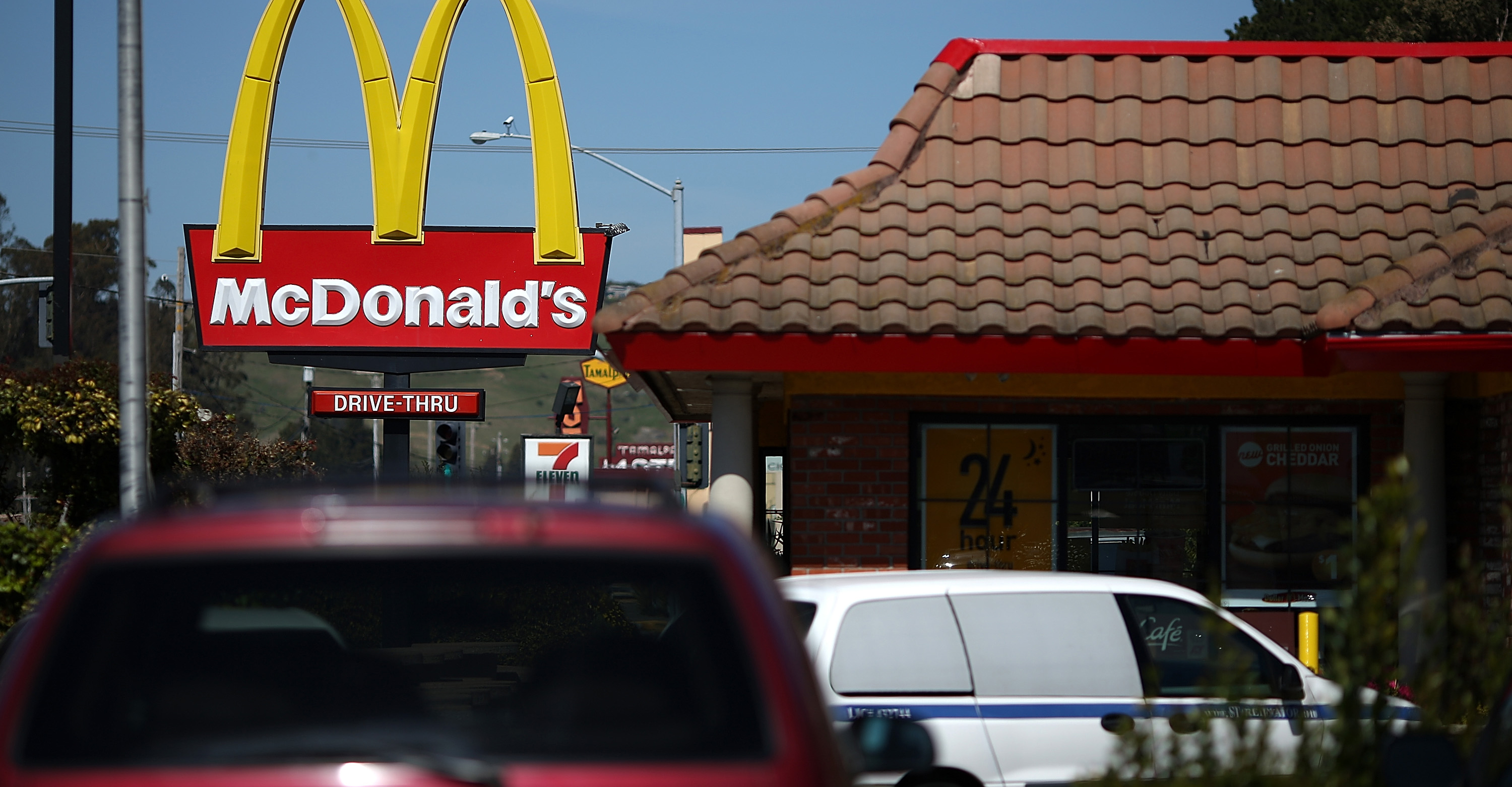
The National Labor Relations Board just charged several dozen McDonald’s franchises with unfair labor practices. In an unusual move, the NLRB also charged McDonald’s Corp…. Read More
EconomyCommentary
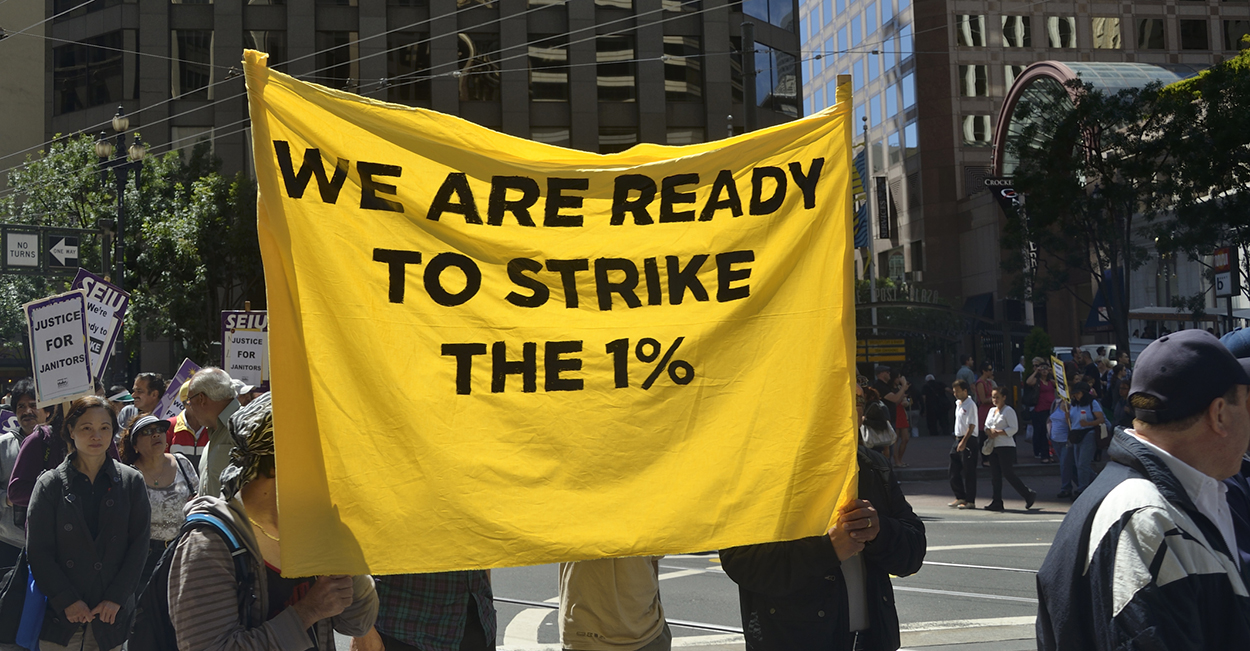
Many states and local governments are considering right-to-work laws. These laws make union dues voluntary. Without them, union contracts make paying dues a condition of… Read More
EconomyCommentary
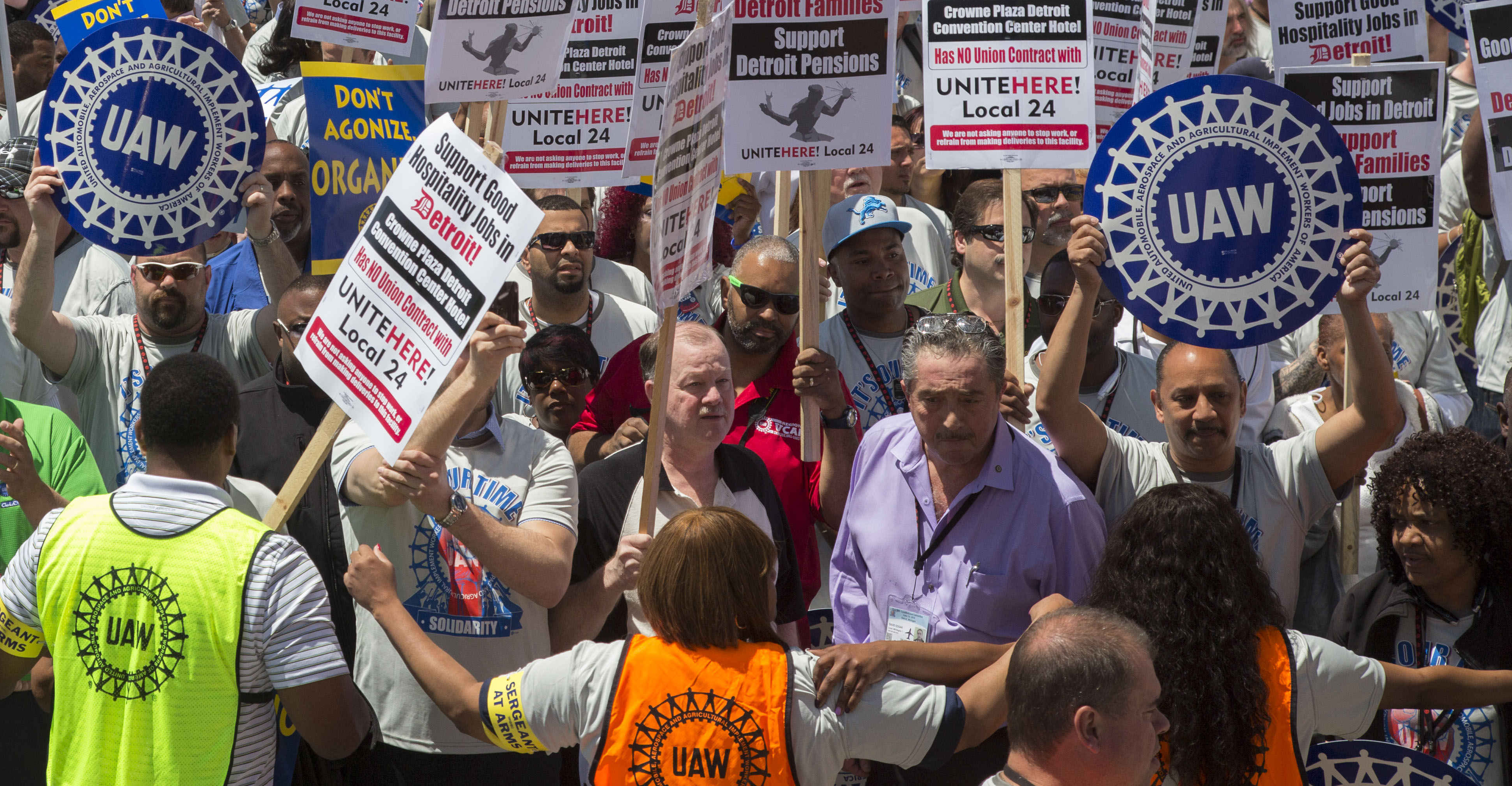
Michael Romanchock recently got let go. But he was not “downsized.” His employer had no issues with his performance. Romanchock got fired for not paying… Read More
EconomyCommentary
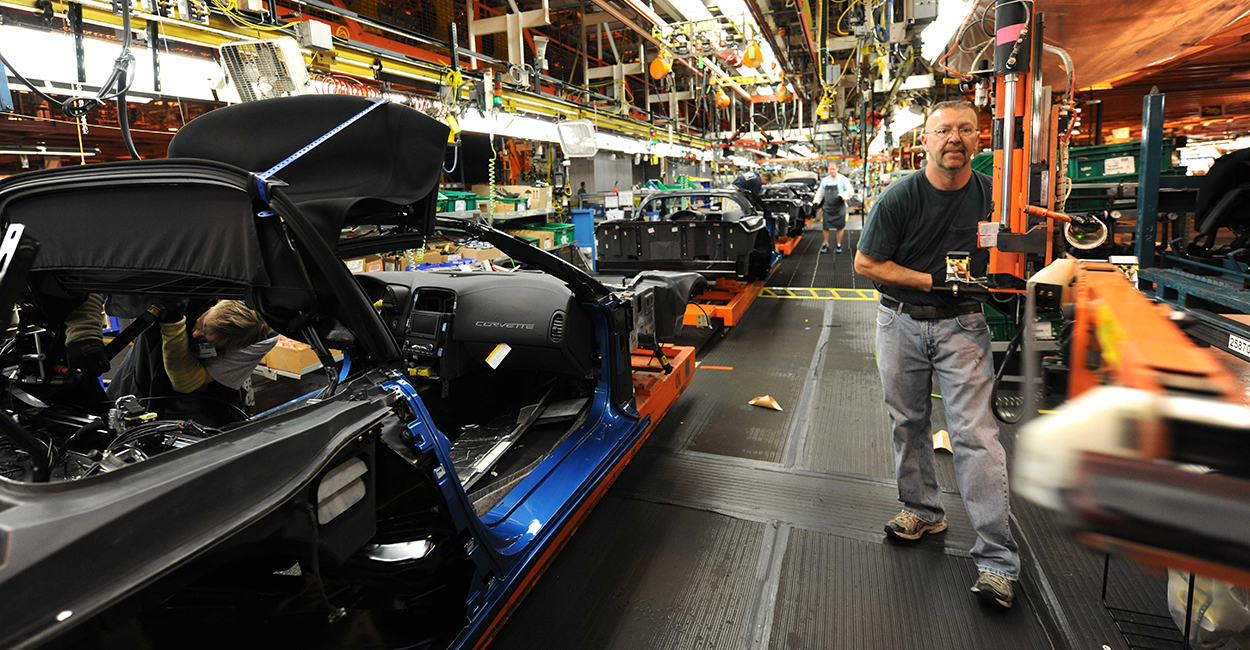
The momentum for right-to-work measures at the local level across the country might be gaining steam. Kentucky’s Warren County, which includes the city of Bowling Green, just passed… Read More
EconomyCommentary
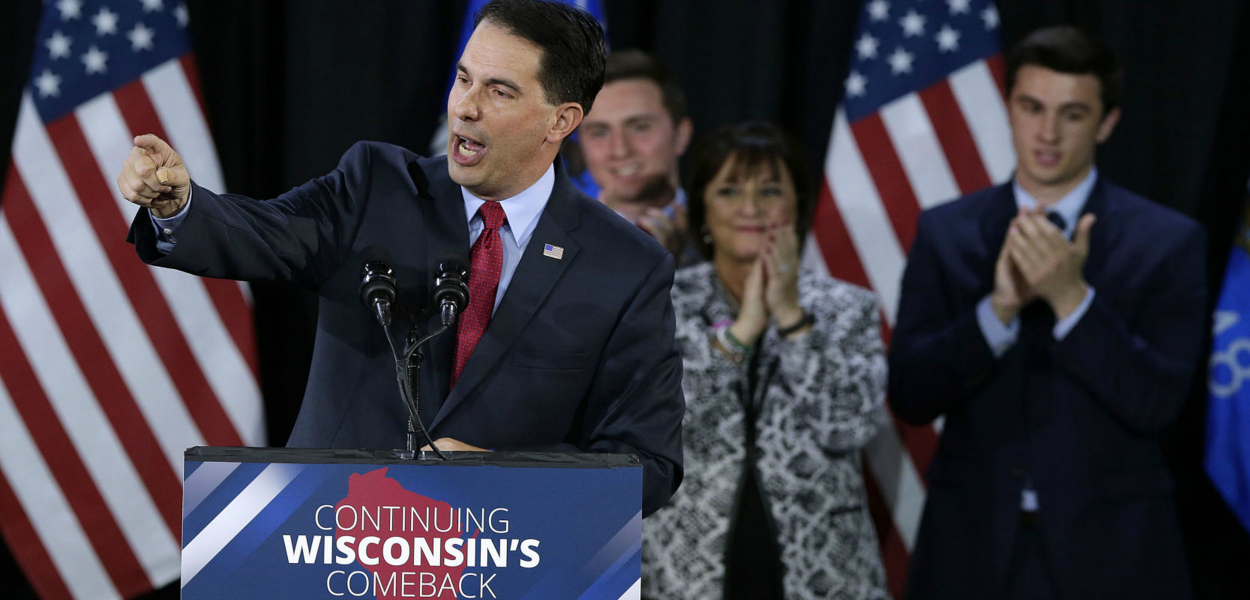
Eighteen-year-old Saira Blair recently made history as the youngest person elected to the West Virginia legislature. She may make history again as a lawmaker by securing passage of… Read More


