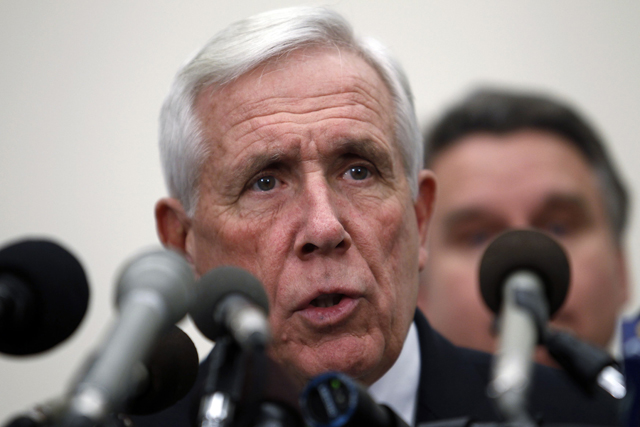
Wolf Urges Select Committee on Benghazi
Congressman Frank Wolf (R–VA) last week on the floor of the House redoubled his efforts to create a congressional select committee to investigate Benghazi. More… Read More
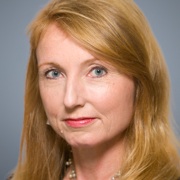
Helle C. Dale is the Heritage Foundation's senior fellow in public diplomacy. Her work focuses on the U.S. government’s institutions and programs for strategic outreach to the public of foreign countries, as well as more traditional diplomacy. Read her research.
View all authors
Congressman Frank Wolf (R–VA) last week on the floor of the House redoubled his efforts to create a congressional select committee to investigate Benghazi. More… Read More
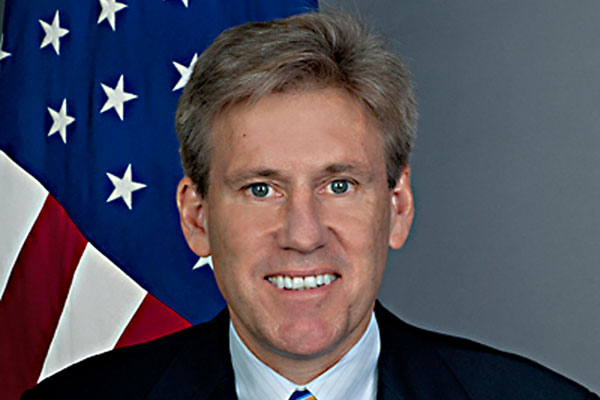
With Sunday’s 60 Minutes segment on Benghazi, CBS renewed interest in a calamity that the Obama Administration had hoped would be long forgotten. However, until… Read More

After years of dysfunction, U.S. international broadcasting might be headed for better times as new members of the Broadcasting Board of Governors (BBG) settled into… Read More

Informing the world about the atrocities of the civil war raging in Syria is deadly dangerous business. On October 15, yet another two reporters and… Read More

The recently published Freedom on the Net 2013 report by Freedom House shows a negative movement worldwide, even in the countries listed as “free.” This… Read More
News

Twitter is coming of age. Today, the social website will be offering its shares to the public, following in the somewhat faltering footsteps of its… Read More
SecurityNews
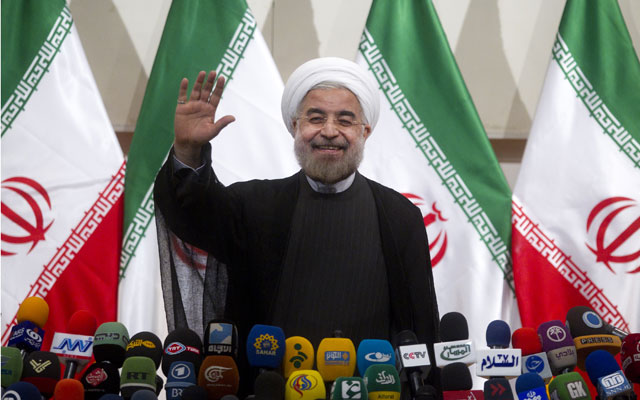
It fell to the last speaker at the United Nations yesterday, Israeli Prime Minister Benjamin Netanyahu, to warn the U.N. General Assembly of Iran’s new… Read More
One look at the human rights record of Iran should serve as a warning against President Hassan Rouhani’s charm offensive launched at the United Nations… Read More
SecurityNews
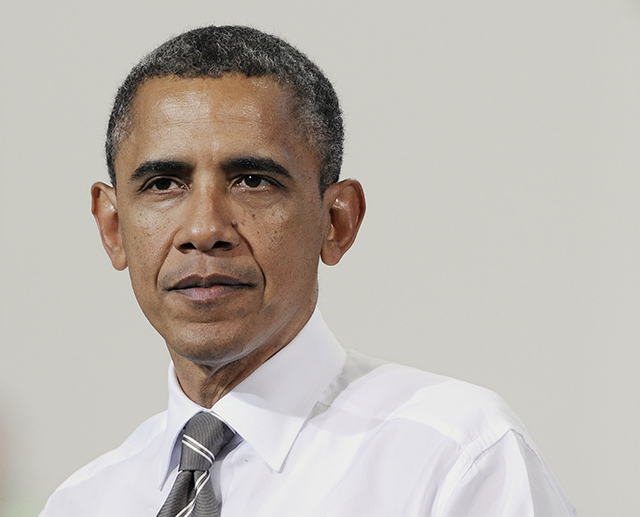
President Obama this morning laid out a foreign policy roadmap for the remainder of his presidency. However, his audience at the United Nations General… Read More
SecurityNews
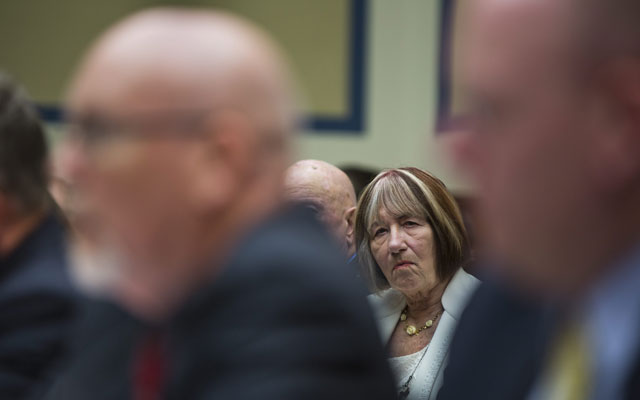
This week’s testimony by family members of the Benghazi victims in the House Oversight and Government Reform Committee’s hearings was nothing short of gut-wrenching. After… Read More