
GDP: I Do Not Think It Means What You Think It Means
Many decision makers and commentators treat gross domestic product (GDP) as if it measures the whole of the economy. They even use “the economy” and… Read More
Many decision makers and commentators treat gross domestic product (GDP) as if it measures the whole of the economy. They even use “the economy” and… Read More

Trade promotion authority (TPA) does several positive things. For one, it gives the President a window where Congress agrees to an up-or-down vote on trade… Read More
When it comes to trade, the ultimate objective for conservatives should be to eliminate tariffs—not just reduce some or all, but take them completely off… Read More

Japanese telecommunications company Softbank wants to buy Sprint Nextel for about $20 billion. One barrier to the deal is unusual: Softbank and Sprint are being… Read More

The annual meetings of China’s National People’s Congress (NPC) start March 5. This year is more important than most: The new Communist Party leadership introduced… Read More
China has fallen behind Japan as the largest foreign holder of U.S. securities. The Department of the Treasury’s new numbers are good only through June… Read More
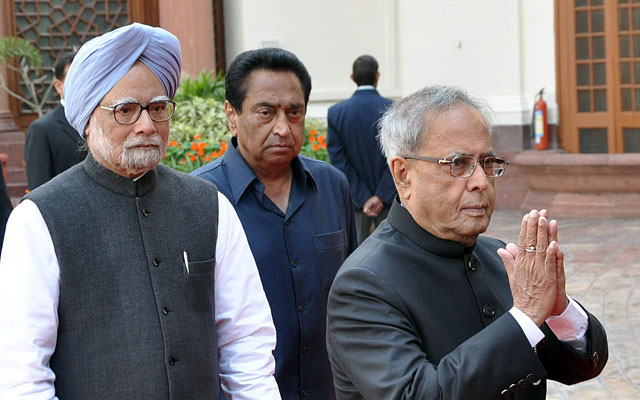
Thursday was a really bad day for the Indian economy. Gross domestic product (GDP) growth for the October–December quarter came in at 4.5 percent, continuing… Read More

Japanese gross domestic product (GDP) fell for the third straight quarter (October–December) and was essentially flat for 2012 as a whole. This continues two decades… Read More
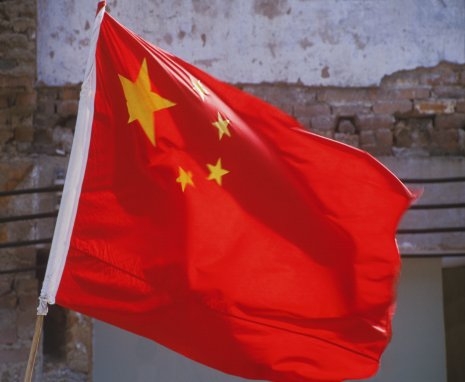
The numbers for America’s trade in 2012 came out on Friday and, as usual, China is prominent. America’s goods trade deficit with China broke the… Read More
EconomyNews
China’s 2012 official economic numbers are due out at the end of this week and I, among others, will gently suggest that they aren’t particularly… Read More