SecurityCommentary
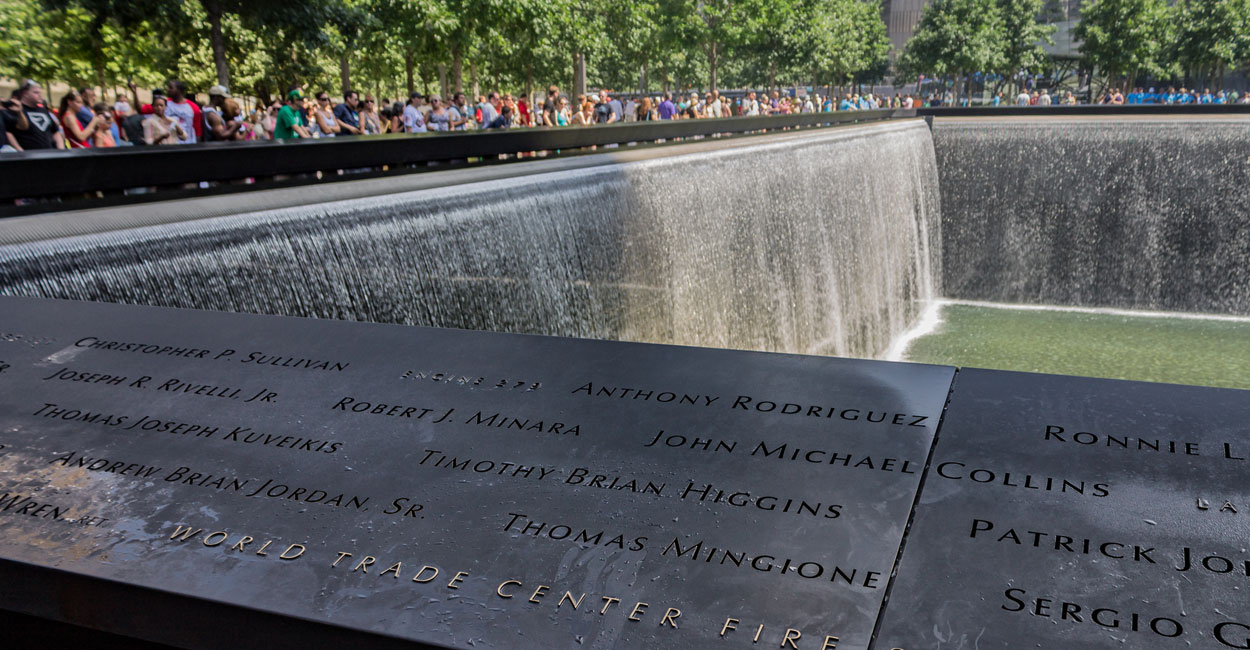
Here’s How Safe We Are 17 Years After 9/11
Seventeen years ago, 19 terrorists hijacked four planes and used them to attack the United States. Almost 3,000 people were murdered. It was the deadliest… Read More

David Inserra specializes in cyber and homeland security policy, including protection of critical infrastructure, as policy analyst in The Heritage Foundation’s Allison Center for Foreign Policy Studies. Read his research.
View all authorsSecurityCommentary
Seventeen years ago, 19 terrorists hijacked four planes and used them to attack the United States. Almost 3,000 people were murdered. It was the deadliest… Read More
SecurityCommentary
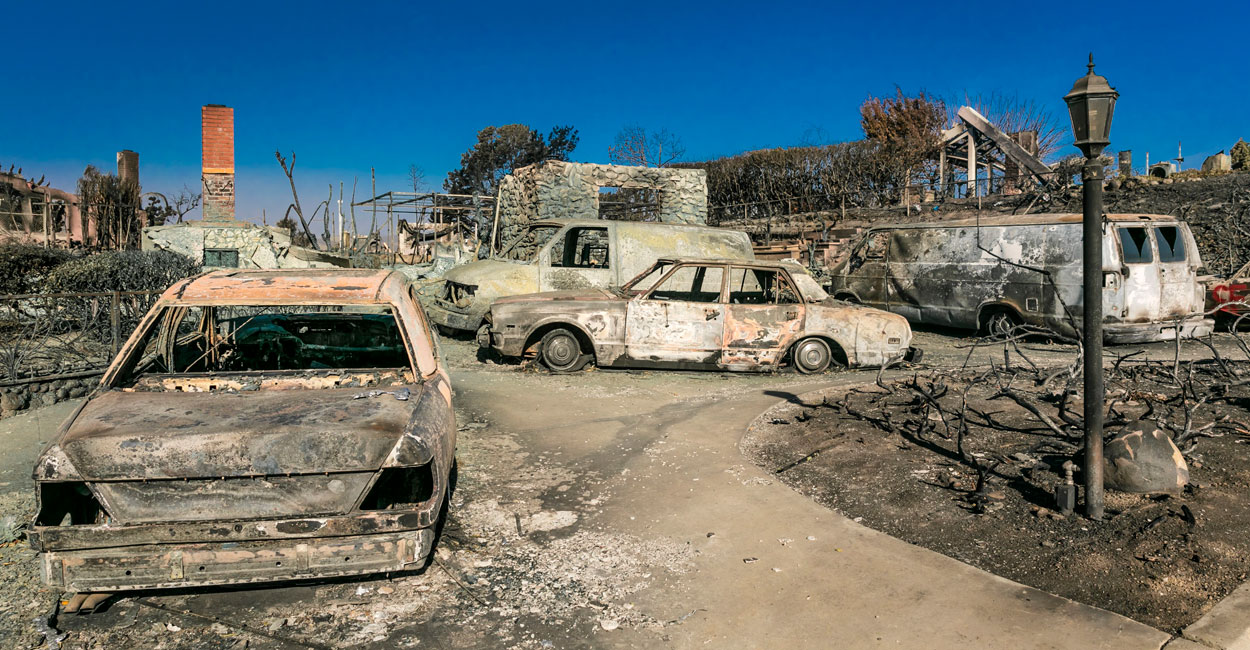
Since October 2017, California has suffered severe fires and more extensive fire-related destruction than at any other point in its history. The fires have sadly… Read More
SecurityCommentary
A series of amendments to an appropriations bill funding the Department of Homeland Security, adopted in the bill’s markup last week, would devastate the enforcement… Read More
SecurityCommentary

Croatia wasn’t quite able to pull off the World Cup final against France last weekend. Congress should give it a win by admitting it to… Read More
SecurityCommentary

On July 1, the FBI arrested Demetrius Pitts for planning a terrorist attack in Cleveland on the Fourth of July. This plot was the 104th… Read More
SecurityCommentary

With the 2018 NATO summit just weeks away, American policymakers are seeking ways to strengthen ties to good friends and allies while giving the U.S…. Read More
SocietyCommentary
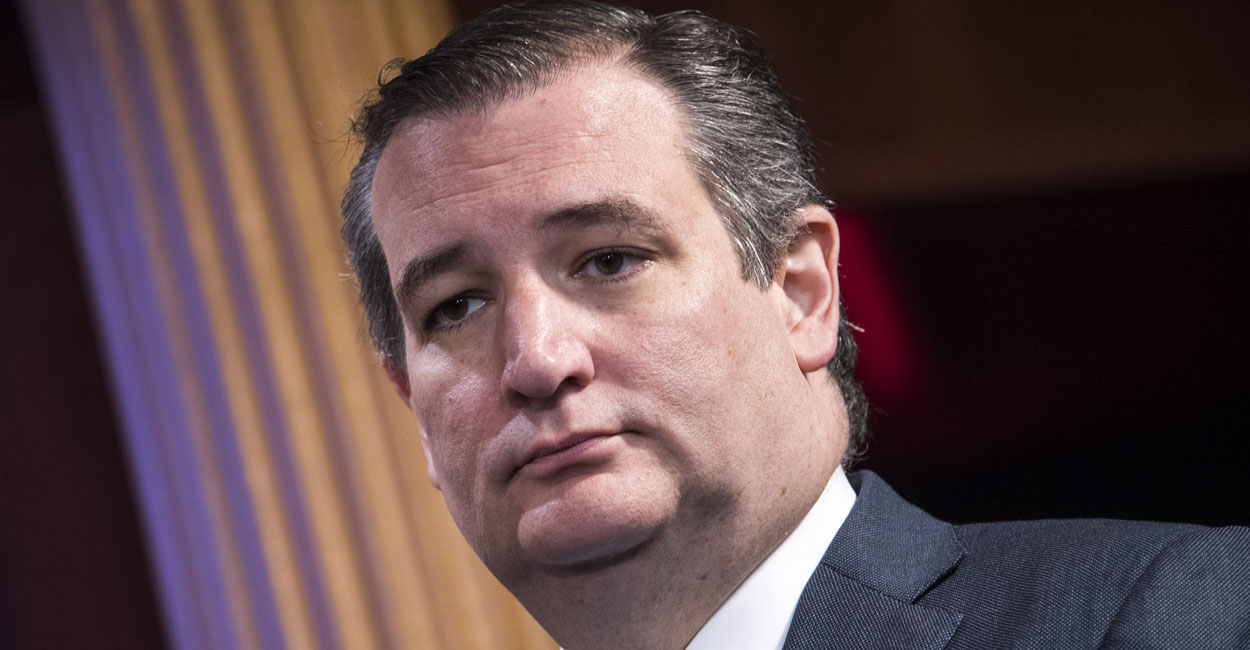
The Trump administration is struggling to figure out how to enforce U.S. laws and keep keeping families together. The matter is made more complex and… Read More
SecurityCommentary
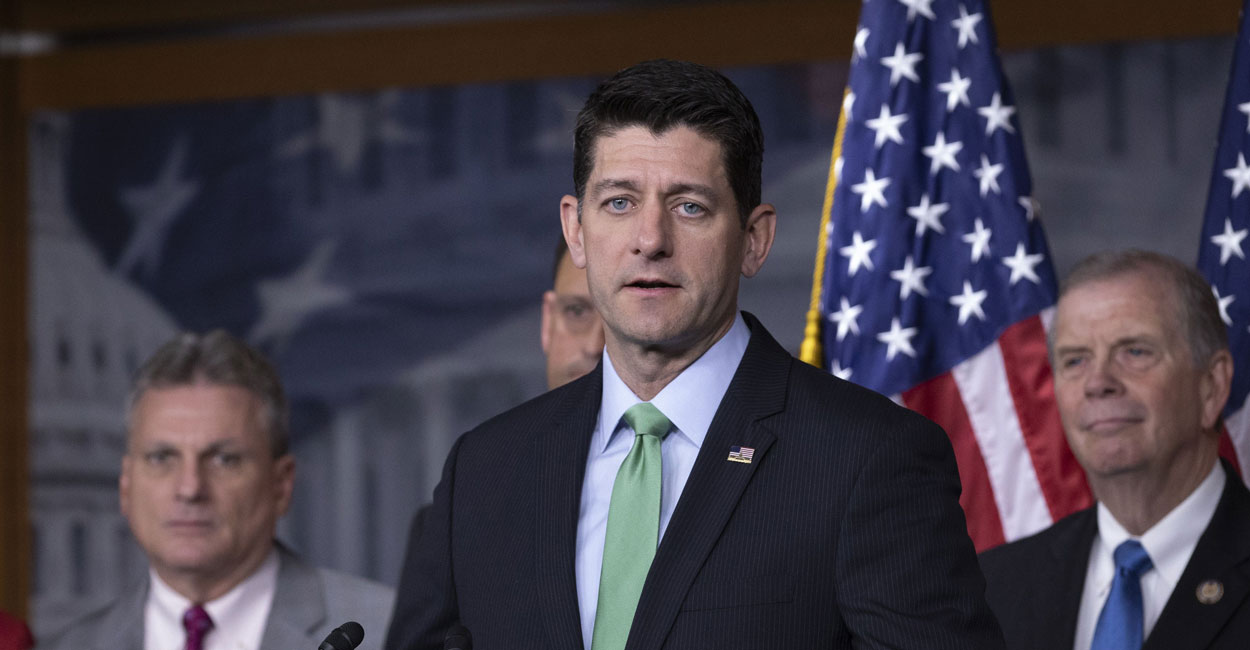
Last Friday, House leadership released the text of their new “compromise” immigration bill. Rather than making the right changes on border security, enforcement, and legal… Read More
SecurityCommentary

Asylum has been in the news a good deal lately, most recently with Attorney General Jeff Sessions’ decision on Monday to restrict domestic and gang… Read More
SecurityCommentary

At a hearing on June 6 to address legal authority to stop dangerous drones, Sen. Ron Johnson, R-Wis., asked, “Is this really all we’re doing?”… Read More