
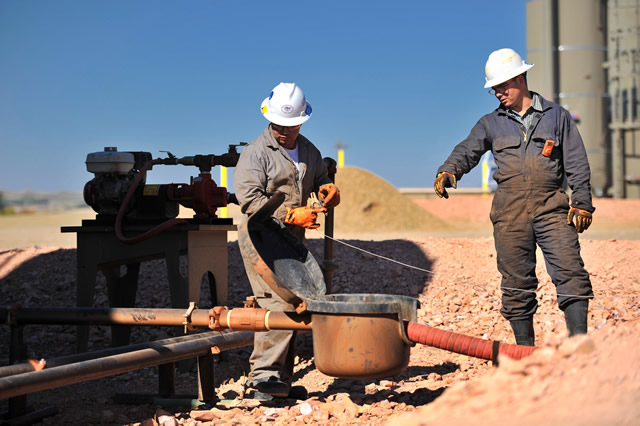
A How-To for Economic Growth: North Dakota’s Surge
A modern retelling of “The Little Red Hen” would include ducks and pigs that not only didn’t help grow the wheat and bake the bread,… Read More

David Kreutzer is a senior economist at the Institute for Energy Research.
View all authors
A modern retelling of “The Little Red Hen” would include ducks and pigs that not only didn’t help grow the wheat and bake the bread,… Read More
What do you know—“Drill, baby, drill” is working. Thanks to new smart-drilling and production technologies (including hydraulic fracturing), the U.S. is the leading liquid fuels… Read More
EnergyNews
The White House has stated that it will open its estimate of the social cost of carbon (SCC) for public comment. Administration officials who are… Read More
EnergyNews
On September 16, Heritage analysts David Kreutzer and Kevin Dayaratna sent a request to the Department of Energy requesting that a recent rule incorporating an… Read More

In his speech at Knox College, President Obama laid out his plan for the Detroitification of America: higher taxes, higher spending, increased minimum wages, more… Read More
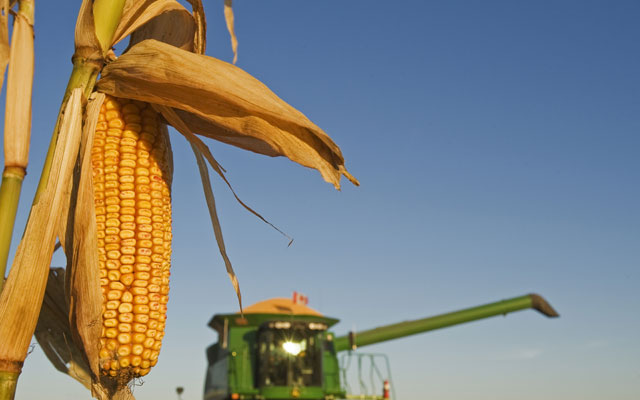
It seems that Washington has a mandate, subsidy, or loan program for every bad idea. Today’s example is military biofuels. Just this spring, the Defense… Read More
Energy News
Remember the shale gas revolution that would bring stably low natural gas prices and fuel a manufacturing renaissance in the United States? Well, the Obama… Read More
EnergyNews
Regulations from the Environmental Protection Agency (EPA), the Department of Interior, and the Department of Labor have been labeled President Barack Obama’s “war on coal.”… Read More
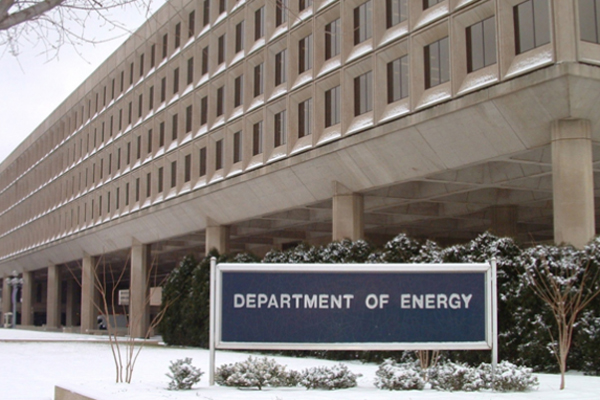
The Department of Energy (DOE) finalized a rule at the end of May that mandates the amount of energy microwaves can use on standby mode… Read More
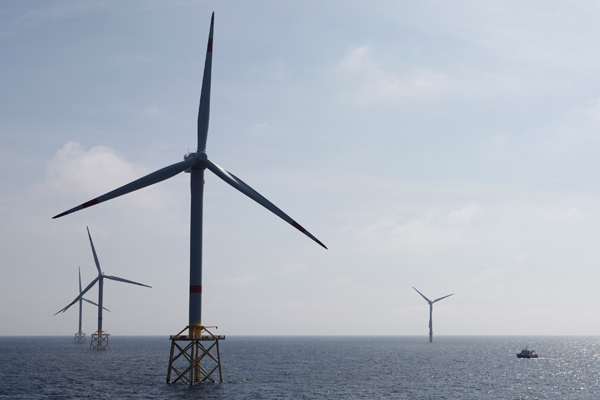
The Bureau of Ocean Energy and Management (BOEM) recently provided some statistics on NRG’s Bluewater Wind project off the coast of New Jersey that show… Read More


