EconomyCommentary
My Kid Is Going to Be Eight Feet Tall!
The media has made a big deal about the recent NASA/NOAA announcement proclaiming that 2014 was the hottest year on record. Googling “NASA 2014 hottest… Read More
David Kreutzer is a senior economist at the Institute for Energy Research.
View all authorsEconomyCommentary
The media has made a big deal about the recent NASA/NOAA announcement proclaiming that 2014 was the hottest year on record. Googling “NASA 2014 hottest… Read More
EnergyCommentary
Cheerleading squads don’t have chants with the theme “We’re getting whupped, let’s leave early.” So when an adverse outcome is obvious they either quit cheering… Read More
In his recent speech about the economy, President Obama noted that “there are still some kind of dopey regulations on the books.” He didn’t note… Read More
InternationalCommentary
According to a recent news story, President Xi Jinping of China and Prime Minister Narendra Modi of India will not attend the upcoming UN climate… Read More
EnergyCommentary

Not thinking things through is a chronic problem with policy-makers in Washington. Superficial and easily sound-bite-able policies dominate the thoughtful-but-complex ones. For instance mandates for… Read More
Energy News
When he was President Obama’s chief of staff, Rahm Emanuel made this disturbingly honest quote, “You never let a serious crisis go to waste.” The… Read More
There is broad (though not unanimous) agreement, even among skeptic scientists, that the earth has warmed moderately over the past 60 years and that some… Read More

How “independent” can an advisory committee be if 15 of its 20 members received an aggregate $180 million from the agency it is advising? That’s… Read More
EnergyNews
In the recent State of the Union address, President Obama promised to act alone on his political agenda if Congress didn’t go along, and he… Read More
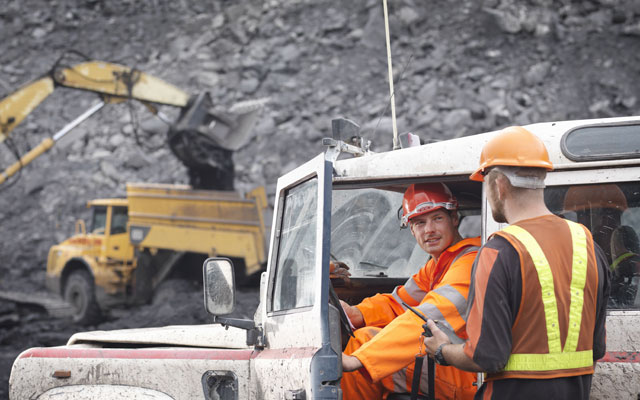
The combination of new Environmental Protection Agency (EPA) rules could likely end coal-fired power in the next 30 years. While the coal industry will be… Read More