
• The Heritage Network
    • Resize:
    • A
    • A
    • A
  • Donate
  • President Responds to the Inaudible Cries for Higher Gasoline Prices

    It appears the President studied economics with his textbook upside down. He proposes to raise taxes on oil companies in order to combat high gasoline prices. Or not. Maybe his textbook was right side up and he thinks gasoline prices are too low. That would be consistent with statements by … More

    Wind Subsidies vs. Oil Subsidies

    In sharp contrast to wind turbines, the wind lobby is spinning at 100 percent capacity—in order to keep the industry in the taxpayers’ pockets. Their dizzying logic makes you wonder if they have been riding the blades instead of examining the facts. First, they make two contradictory assertions: (1) Wind … More

    Subsidies and Costs in the Solar Industry

    According to Germany’s environment minister, Norbert Roettgen, “Solar is a success story made in Germany.” “Success” appears to mean having the world’s largest amount of ridiculously overpriced electricity. (The German subsidy for solar energy is up to five times the actual wholesale cost in the U.S.) But even Roettgen realizes … More

    Money Loser + $100 Million Subsidy = Money Maker?

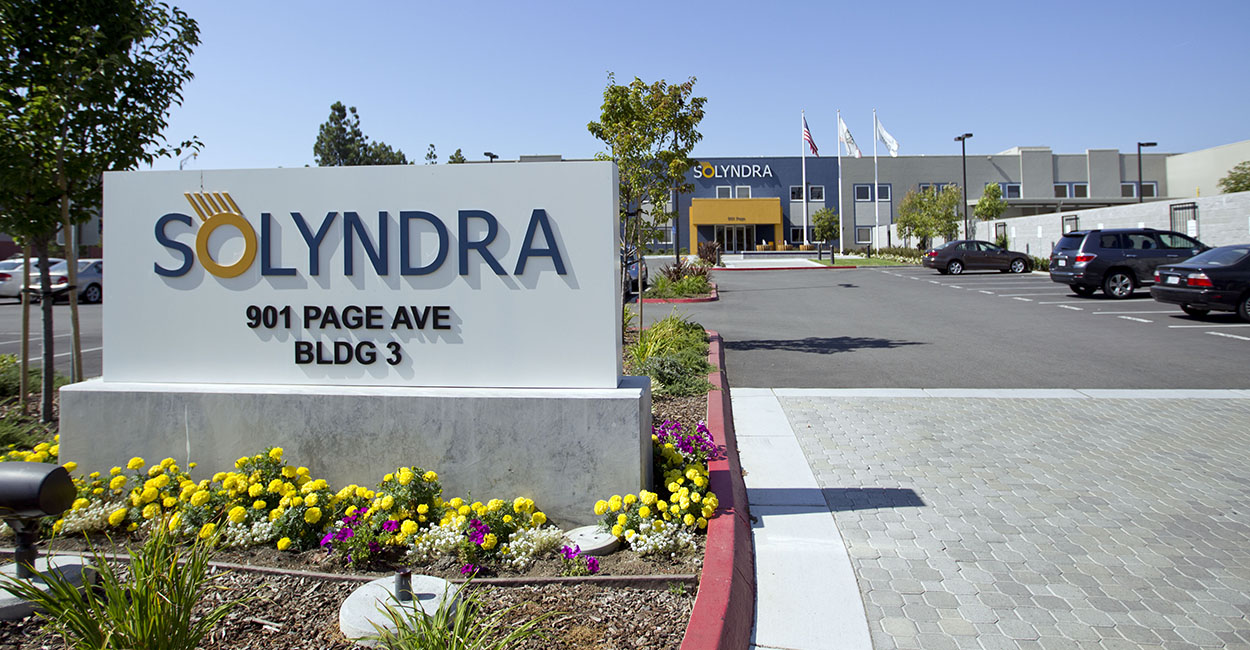
    When is a solar energy company a loan flipper instead of a solar energy company? How about when the value of its loan subsidies vastly exceeds the value of its solar project? A case in point is First Solar’s sale of its Antelope Valley Solar Ranch 1 (AVSR1) to Exelon. … More

    Clean Energy: Cap and Trade Lite

    In his State of the Union address last month, President Obama requested that Congress pass legislation mandating a national clean energy standard (CES). A CES targets the CO2 emissions from the electric power industry by setting minimum percentages of total power (electricity) generation that must come from sources that emit … More

    Narrow Interest Blocks Big Pipeline

    The Obama Administration, encouraged by environmental groups, has blocked yet another affordable energy project—the Keystone XL Pipeline. Add this to the unconscionable slowdown of leasing and production in the Gulf of Mexico, foot-dragging on production in the Chukchi and Beaufort Seas, blocks on offshore production in the Atlantic and Pacific, … More

    EPA’s New Mercury Rule? Environmental Hocus Pocus

    The EPA’s analysis of the new mercury rule (the Utility Maximum Achievable Control Technology, or Utility MACT) is yet another example of regulatory bait-and-switch. The rule refers to mercury but really targets CO2, and it generates its purported benefits from reducing particulates that are already covered by other regulations. For … More

    Another Free-Money Report

    Because the concept of opportunity cost is fundamental to all of economics, it is covered in the first chapter of every principles-of-economics textbook. Opportunity cost tells us what we give up when make decisions on consumption and production. There are no free lunches. In spite of the universal agreement on … More

    U.S. Way Ahead in Clean Energy Race

    If clean-energy means “low-carbon” (a definition to which I object), then the U.S. is way, way ahead of China in the clean-energy race. If it means low-everything-else, we are still way, way ahead, since China has a pathetic record on controlling genuine pollution. Getting hung up on commoditized solar-panel or … More

    Pollution Costs and GDP

    Instead of the intellectual vandalism that typifies too much of Paul Krugman’s writing, it would be more useful if he returned to writing about economics…with facts. In a recent column he says: So if you really believed in the logic of free markets, you’d be all in favor of pollution … More