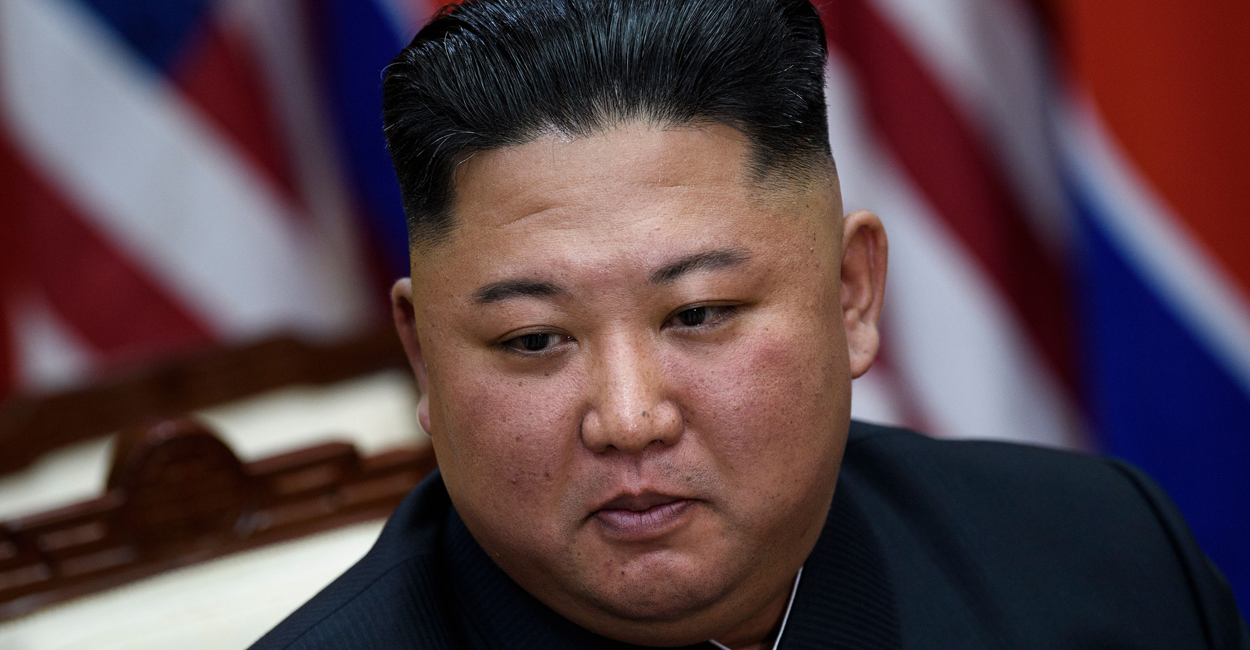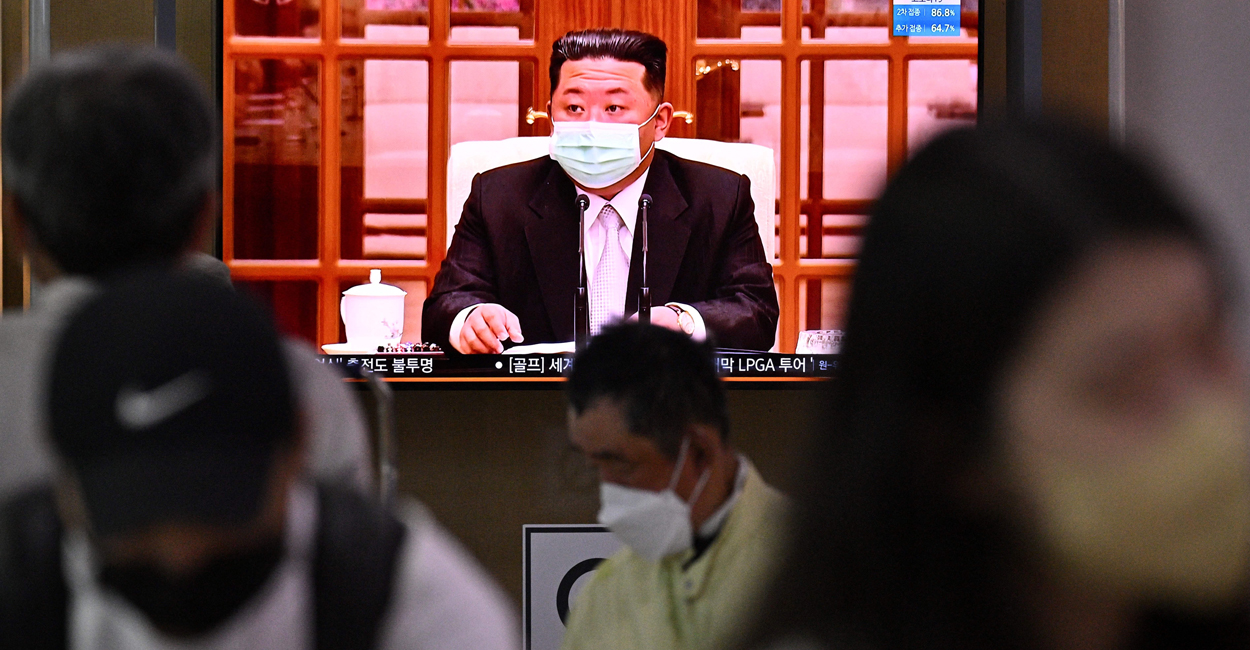
North Korea’s official media announced that Kim Jong-il, the country’s long-time leader, died on Saturday of “physical and mental overwork.” Although Kim had several health problems, particularly after a stroke in August 2008, he had appeared vibrant in recent meetings. As such, the surprise development raises concerns about its impact on Pyongyang’s ongoing leadership transition, regime stability, and North Korean security and foreign policies. North Korean provocative behavior or military action is unlikely in the near-term. However, Seoul and Washington will be wary that Kim Jong-un, third son of Kim …
Ballistic missiles pose an increasing risk to the United States and its allies, particularly as more nations strive to acquire nuclear weapons. The once exclusive nuclear weapons club now has nine members, and Iran is knocking on the clubhouse door. Altogether, at least 32 countries have ballistic missile capabilities. Defending the United States, its forward-deployed troops, and its friends and allies against such threats should be a national security priority for the U.S. president. We have a fledgling missile defense capability. But further investment, research and procurement are needed to …
On November 16, President Barack Obama and Australian Prime Minister Julia Gillard announced their intention to increase U.S. Marine Corps and Air Force training in Australia. The expanded U.S. military presence is meant to enhance allied interoperability and reassure friends and allies in the region worried over an increasingly assertive China. The new joint initiative lends credence to Secretary of Defense Leon Panetta’s promise last month that Washington would maintain or even expand its military commitment to Asia. Whether the United States is able to deliver on those promises in …
Ambassador Stephen Bosworth was typically cryptic in his remarks after concluding two days of meetings last week with North Korean counterparts. Bosworth stated that the bilateral talks were “moving in the right direction [since] we have made some progress.” He added that the tone of the meetings was “positive and generally constructive,” enabling differences between the two countries needed to be narrowed further. Although issues needed to be resolved, both sides would work hard to do so. Some journalists sought to seize on the seemingly positive description as a signal …
Free trade advocates can finally rejoice in the long-overdue passage of free trade agreements (FTAs) with South Korea, Colombia, and Panama that will benefit U.S. businesses, workers, and consumers. The FTAs will generate an estimated $13 billion in new U.S. exports, a $12 billion increase in U.S. GDP, and 70,000 or more new jobs. These benefits are all without a single penny of federal spending, making the FTAs a cost-free job stimulus program. Amidst the victory euphoria, however, there is the nettlesome annoyance of those now taking credit, including from …
During bilateral security talks, Washington and Tokyo affirmed their commitment to the 2009 bilateral Guam Agreement, which delineates the planned realignment of U.S. military forces in Japan. The June 21 Security Consultative Talks—comprised of Secretary of Defense Robert Gates, Secretary of State Hillary Clinton, Minister of Defense Toshimi Kitazawa, and Minister of Foreign Affairs Takeaki Matusmoto—emphasized the need to complete plans to build a replacement facility for a U.S. Marine Corps air unit stationed on Okinawa.
Japanese Foreign Minister Seiji Maehara was forced to resign on March 6 following the disclosure that he had received donations from a foreigner, a violation of Japanese election law. He admitted that he had received approximately $3,000 over a six-year period. Maehara’s resignation was surprising not only for its abruptness but also due to the meager sums and apparently innocent intentions of the donor. Maehara received the money from an elderly Korean who has resided in Japan for decades and knew Maehara since he was in eighth grade. Maehara is …
Bravo Zulu is navy parlance for “job well done.” South Korea’s naval commandos certainly earned that accolade by successfully rescuing all 21 hostages held aboard a South Korean freighter. On January 15, pirates armed with automatic rifles, heavy machine guns, and rocket-propelled grenades seized the Samho Jewelry ship 800 miles off the Somali coast. In an early morning attack, a South Korean SEAL unit seized control of the ship and freed all hostages. Eight pirates were killed, five were wounded, and none escaped. The daring rescue was fraught with risk. …
Pyongyang revealed a covert facility for enriching uranium to a visiting U.S. scientist last week. Dr. Siegfried Hecker, former head of the Los Alamos nuclear laboratory, stated he was shown a vast plant containing “hundreds and hundreds” of centrifuges—North Korea claimed 2,000—controlled by an “ultra modern control room.” The discovery affirms a U.N. report released earlier this month that North Korea continues to “use a number of masking techniques in order to circumvent the Security Council measures” to curtail Pyongyang’s nuclear and missile programs. Although the United States has long …
Even the most ardent Obama supporter should be embarrassed by the collapse of bilateral trade talks with South Korea. President Obama had correctly hailed the South Korea-U.S. free trade agreement (KORUS FTA) as critically important for the United States. The U.S. International Trade Commission estimated the agreement would increase U.S. exports by $10 billion—a jobs stimulus package that wouldn’t cost the federal government a dime. But once again the trade accord was held hostage to narrow-minded demands by Congressmen and lobbying groups. Clearly, for the Obama White House, special interests …