President Obama Should Lift Ban on Energy Exports
America’s Founders felt the freedom to export was so important that they included it in the U.S. Constitution: “No Tax or Duty shall be laid… Read More

Bryan Riley is director of the National Taxpayers Union's Free Trade Initiative. He previously was an advocate for free trade through his research and writing for The Heritage Foundation, where he was the Jay Van Andel senior analyst in trade policy.
View all authorsAmerica’s Founders felt the freedom to export was so important that they included it in the U.S. Constitution: “No Tax or Duty shall be laid… Read More
Some corporate interests are lining up to fight economic freedom in the United States by maintaining the government’s restrictions on energy exports. Their efforts are… Read More
The United States and the European Union (EU) are currently negotiating a proposed Transatlantic Trade and Investment Partnership (TTIP). A recent survey by the Atlantic… Read More

A federal law called the Jones Act recently prevented New Jersey officials from treating dangerous roads with salt. Faced with a shortage of salt, state… Read More
A recently released letter from 18 U.S. Senators to U.S. Trade Representative Michael Froman asked Japan to open its agricultural market to foreign exports in… Read More
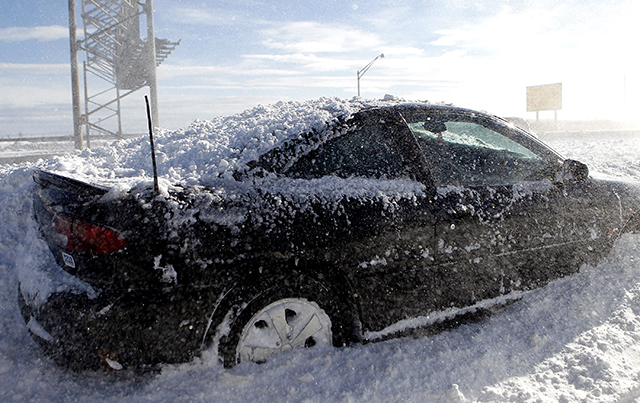
Winter storms recently dumped nearly a foot of snow in parts of New Jersey. As of February 13, New Jersey state police had responded to… Read More
On May 14, 2012, a plane loaded with freshly cut flowers departed Bogota, Colombia, headed for Miami. By the time it landed in Florida, the… Read More
In Chrysler’s Super Bowl ad for the Chrysler 200, Bob Dylan says: “Let Germany brew your beer. Let Switzerland make your watch. Let Asia assemble… Read More

According to a recent report from Politico Pro’s Eric Bradner: “Tea party groups launched an effort today to thwart President Barack Obama’s free trade efforts,… Read More
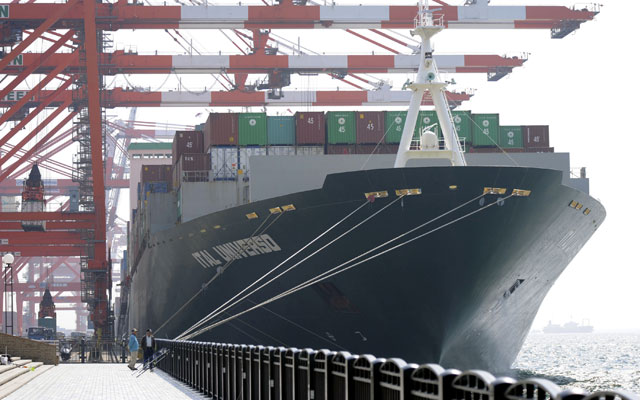
The Treasury Department recently reported that China and Japan are the largest foreign holders of U.S. government debt. China now owns $1.317 trillion in U.S…. Read More