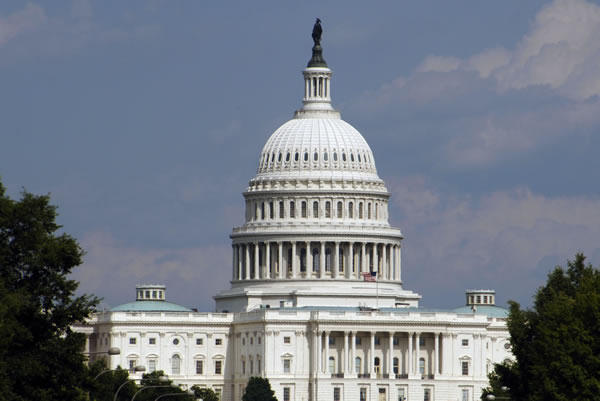
Law of the Sea Hearings Point to Lame Duck Passage Strategy
Today, the Senate has two hearings scheduled on the Law of the Sea Treaty (LOST). The Senate will have had three hearings on the LOST… Read More

Brian Darling is a former senior communications director for Sen. Rand Paul, R-Ky., and a former senior fellow in government studies at The Heritage Foundation. Previously, as director of Senate relations at Heritage, he was responsible for educating senators and their staffs about the think tank's research and policy recommendations.
View all authors
Today, the Senate has two hearings scheduled on the Law of the Sea Treaty (LOST). The Senate will have had three hearings on the LOST… Read More
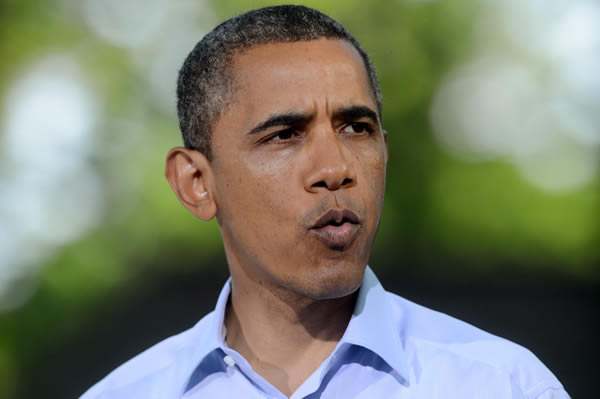
Spending has skyrocketed under President Obama, but of late some are claiming that the opposite is true. Case in point: MarketWatch columnist Rex Nutting wrote,… Read More
News
Senator Mike Lee (R-Utah) made the case that the Violence Against Women Act (VAWA), passed by the Senate, “oversteps the Constitution’s rightful limits on federal… Read More
The purpose of a Balanced Budget Amendment to the Constitution (BBA) is to limit the size and scope of the federal government. Some politicians seem… Read More
Senate Majority Leader Harry Reid (D-NV) blocked a vote on President Barack Obama’s American Jobs Act tonight. Senate Republican Leader Mitch McConnell (R-KY) had pledged to… Read More
Politico reported what many have feared about the Joint Select Committee on Deficit Reduction in a story titled “Supercommittee operating in secret.” Members of this… Read More
Senate Majority Leader Harry Reid (D-NV) made a $900,000,000 mistake on a measure to fund the federal government past this Friday. The government runs out… Read More

Yesterday, I wrote about the House-passed bill H.R. 2887, which would reauthorize expiring aviation and surface transportation programs for a few months. Senator Tom Coburn… Read More

The House passed today H.R. 2887, a bill to reauthorize expiring aviation and surface transportation programs for a few months. Senator Tom Coburn (R–OK) is… Read More
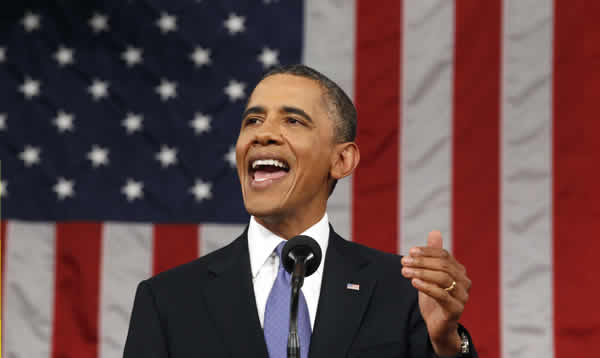
President Obama tonight pitched Stimulus 2.0 to a reluctant Congress and an angry electorate. The President rolled out his “American Jobs Act” and demanded repeatedly… Read More