U.S. Missile Defense: The Most Challenging Test Yet
On Thursday, the U.S. military conducted a combined developmental and operational test of the Terminal High Altitude Area Defense system, Patriot Advanced Capability-3 missile defense… Read More
On Thursday, the U.S. military conducted a combined developmental and operational test of the Terminal High Altitude Area Defense system, Patriot Advanced Capability-3 missile defense… Read More

Fifty years ago, the world came to the brink of nuclear war. On October 14, 1962, U.S. policymakers learned that the Soviet Union was building… Read More

Philip Ewing, in an article on Politico Pro about the vice presidential debate, asserts that comments about defense spending by Representative Paul Ryan (R–WI) signal… Read More
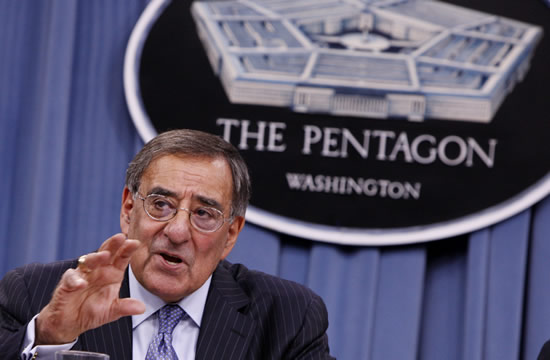
Secretary of Defense Leon Panetta is in Asia trying to prevent further escalations in tensions over several territorial disputes. National elections in South Korea and… Read More
Retired General Arnold Punaro, Chairman of the Department of Defense’s (DoD) Defense Business Board task force was recently quoted saying that he would “put a… Read More
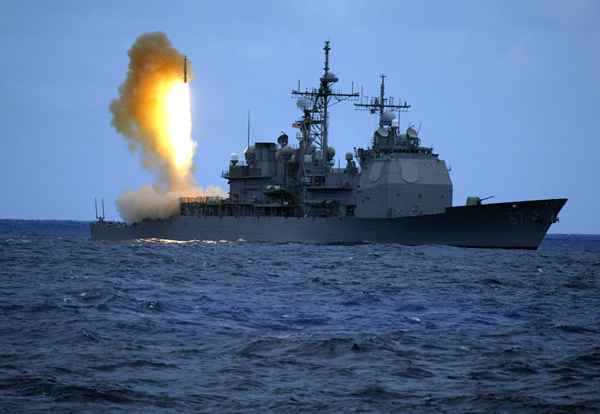
A July 24 article in the online Mobile Magazine describes the advanced technology of Raytheon’s Exoatmospheric Kill Vehicle (EKV) for destroying missile warheads in space…. Read More
Secretary of Defense Leon Panetta recently sent a letter urging Senator Daniel Inouye (D–HI), chairman of the Senate Appropriations Committee, to conclude a test phase… Read More
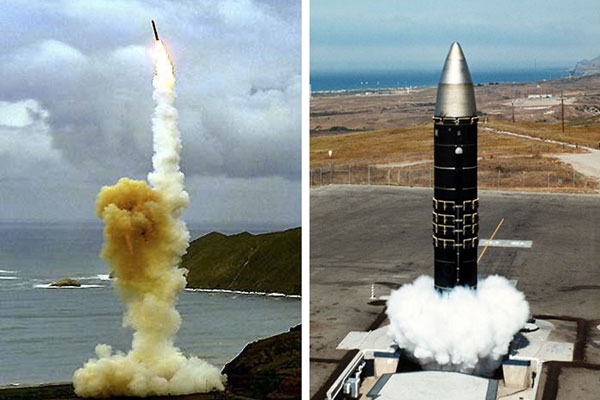
The House of Representatives has taken one step toward preventing the deterioration of America’s nuclear forces. It approved an amendment to the defense appropriations bill… Read More
In his recent article in Foreign Affairs, “Why Iran Should Get the Bomb: Nuclear Balancing Would Mean Stability,” Kenneth N. Waltz is swimming upstream against… Read More
Recent news articles, including one by journalist and author Bill Gertz, indicate that the Obama Administration will soon release an update to a previous study… Read More